Energy markets and airlines brace for costly disruptions as Winter Storm Fern strains grids and supply chains
The winter storm sweeping the U.S. is creating immediate business impacts, from mass flight cancellations and airport slowdowns to emergency grid measures and heightened demand for heating fuel. Companies are shifting operations as utilities and regulators focus on reliability and restoration.
- BYLINE
- Lagos Tribune News Desk
- PUBLISHED
- UPDATED
A weather event becomes an economic shock
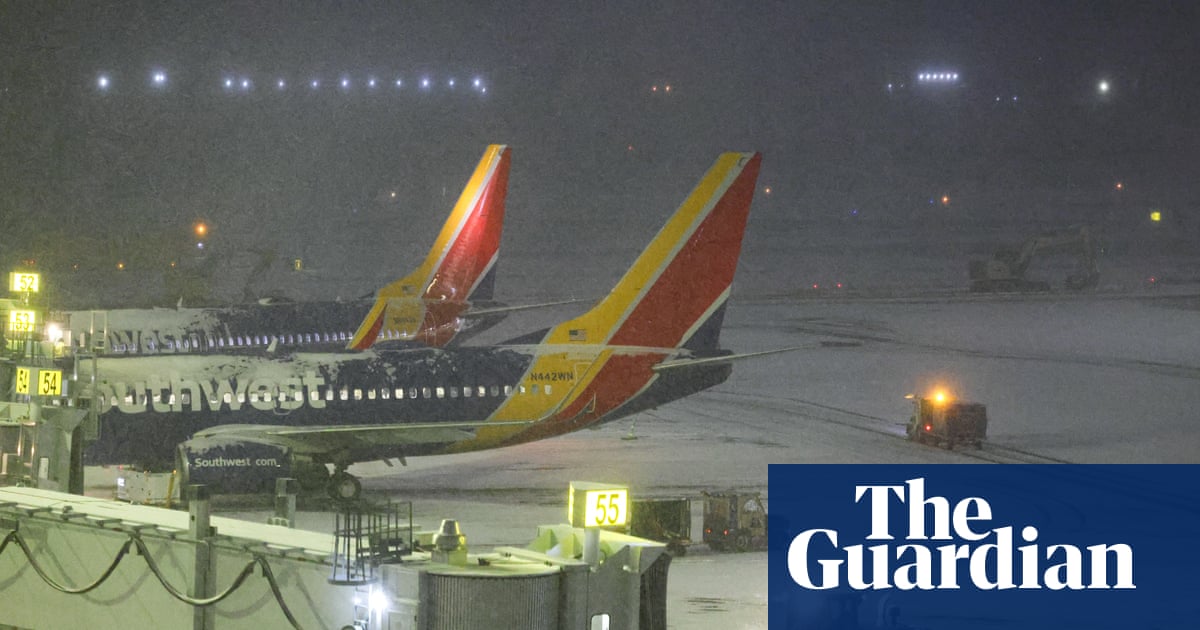
Winter Storm Fern is not only a public-safety crisis; it is also a nationwide business disruption with cascading costs. As the system spread across large portions of the United States, airlines canceled thousands of flights, airports slowed due to de-icing and staffing constraints, and ground transportation faced closures and hazardous conditions that interfere with shipping and last-mile deliveries.
The Associated Press described widespread travel problems and large-scale outages across multiple states as the storm pushed snow, sleet, and freezing rain from the South toward the Northeast. When hubs lose throughput, the ripple effect extends to supply chains, business travel, tourism, and time-sensitive freight.
Power outages and emergency grid actions
Power interruptions can be a major economic driver during ice storms. Reuters reporting, carried by The Guardian, noted that more than 9,600 flights were expected to be canceled and that outages were rising across several states. The same report described emergency steps aimed at limiting blackouts, illustrating how extreme weather can force rapid, high-stakes operational decisions from grid operators and regulators.
For businesses, electricity loss is not merely an inconvenience: it can halt manufacturing lines, spoil refrigerated inventory, force retail closures, and trigger costly equipment failures. Even firms that keep running may incur higher expenses for backup power, overtime labor, and expedited logistics once roads reopen.
Near-term business priorities
- Airlines and airports: restoring network stability, relocating crews and equipment, and managing rebooking backlogs.
- Utilities and contractors: prioritizing repairs to transmission and distribution lines damaged by ice loading, plus coordinating mutual-aid crews across state lines.
- Retailers and shippers: adjusting delivery windows, rerouting freight, and communicating shortages or delays to customers.
- Employers: shifting to remote work where possible and supporting workers facing heating or transportation challenges.
Even after precipitation ends, the business impact can linger for days as communities dig out, power is restored, and backlogs clear. In storms that span multiple regions, recovery is staggered—meaning national companies may face interruptions in one market while another returns to normal, complicating staffing, inventory allocation, and customer commitments.