Justice Department investigation into Fed chair Jerome Powell escalates clash over central bank independence
The Guardian reports the Justice Department has opened a criminal investigation tied to Fed headquarters renovation costs and Powell’s testimony, intensifying a confrontation between the White House and the central bank as markets watch independence risks.
- BYLINE
- Lagos Tribune News Desk
- PUBLISHED
- UPDATED
Investigation focuses on renovations and testimony
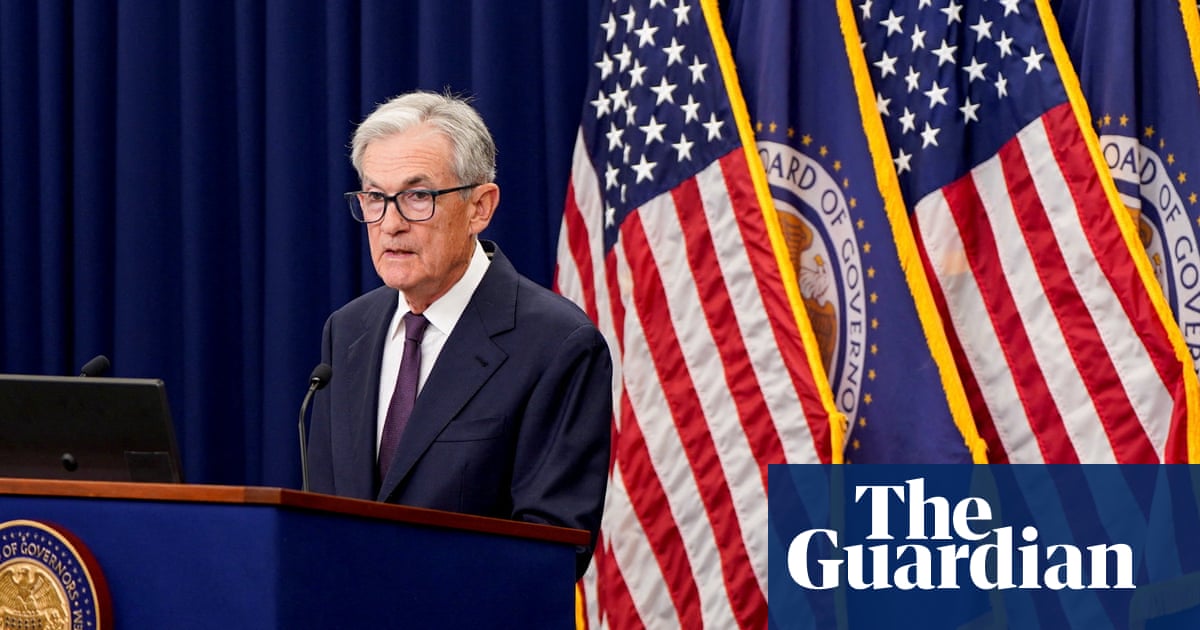
A Guardian explainer describes how the US Justice Department’s criminal investigation into Federal Reserve chair Jerome Powell has become a major flashpoint in a broader political campaign against the central bank. The report centers on a multiyear renovation of historic Federal Reserve buildings in Washington, DC, and questions raised about the project’s costs and how it was characterized in Powell’s testimony to the Senate Banking Committee.
According to the Guardian, the renovation budget has drawn scrutiny after costs rose beyond earlier estimates, and critics have portrayed the project as extravagant. Powell has said the work includes safety-related upgrades to buildings that have not had major renovations in decades, while administration allies have argued the spending suggests mismanagement and possible wrongdoing.
Independence becomes the real battleground
The article frames the investigation as part of a larger attempt to pressure the Federal Reserve, with the White House repeatedly criticizing Powell for not moving faster to cut interest rates. Powell, in the Guardian’s account, has warned that law enforcement threats against a sitting Fed chair risk undermining the institution’s independence, which markets and policymakers typically view as critical for keeping inflation expectations anchored.
The report notes the unusual nature of a criminal probe into a Fed chair and highlights concerns voiced by economists and former officials about politicizing monetary policy. It also notes that the investigation introduces uncertainty as Powell approaches the end of his term, with a successor likely to be chosen by the president.
Market and policy implications
The Guardian describes the episode as a test of whether the Fed can continue to make rate decisions insulated from political retaliation. Investors and businesses rely on predictable rule-of-law expectations and stable institutions; the report suggests that if those assumptions weaken, borrowing costs and market volatility could rise even without immediate rate changes.
For households, the stakes are indirect but real: pressure on central bank credibility can affect inflation dynamics and the path of rates that shape mortgages, credit cards and business loans. The investigation’s next steps, and whether it leads to charges, are likely to remain a central business story as Washington and Wall Street gauge the durability of Fed independence.