Markets watch Fed independence after DOJ subpoenas tied to Jerome Powell and a renovation dispute, as Powell calls it a pretext
The Federal Reserve says it has received grand jury subpoenas related to Jerome Powell’s testimony about a headquarters renovation, prompting fresh debate about political pressure on the central bank and potential market fallout.
- BYLINE
- Lagos Tribune News Desk
- PUBLISHED
- UPDATED
A rare and destabilizing clash around the Fed
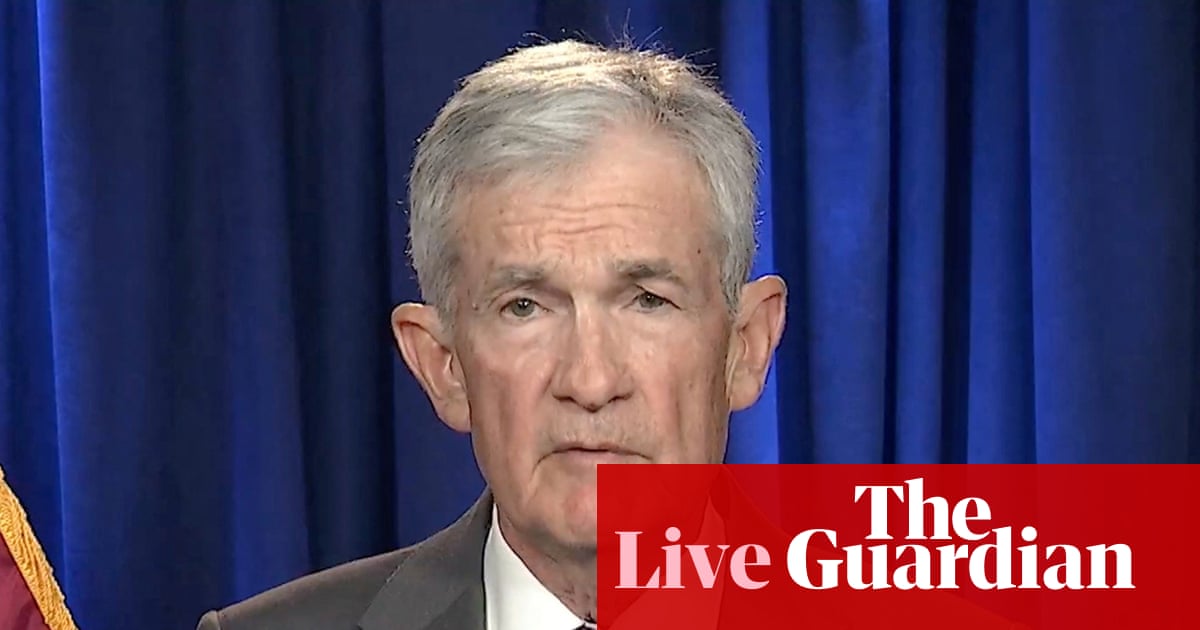
Investors and policymakers are closely watching developments after Federal Reserve Chair Jerome Powell said the Fed received grand jury subpoenas tied to his congressional testimony about a major renovation of the Fed’s headquarters. The situation has triggered new scrutiny over whether law-enforcement powers are being used in a way that could chill central-bank independence.
Powell has framed the subpoenas as an “unprecedented” escalation and has suggested the renovation controversy is being used as a pretext rather than a straightforward oversight dispute. He emphasized that the Fed has sought to keep Congress informed through testimony and public disclosures.
What’s at stake for the economy
The Federal Reserve’s credibility depends heavily on confidence that interest-rate decisions are made to meet its mandates—such as price stability—rather than to satisfy political demands. When questions arise about punitive investigations, markets can react not only to the legal news itself but also to the possibility of shifts in future monetary policy leadership.
Currency and rate markets often treat perceived threats to the Fed’s independence as a risk factor: it can raise uncertainty about inflation control, complicate expectations for future rate paths, and increase volatility in risk assets as traders reprice policy credibility.
Renovation costs, oversight, and competing narratives
The dispute centers on a costly renovation project and Powell’s earlier testimony to lawmakers about the scope and expenses involved. Supporters of the investigation argue that cost overruns and accountability issues justify aggressive oversight. Powell’s response has been that the Fed has acted transparently and that the core issue is political retaliation linked to monetary policy.
The episode is also unfolding in a broader environment of tension between the Trump administration and the central bank. Any move that appears to pressure Powell or the institution could influence how businesses and consumers interpret the stability of the U.S. macro policy framework.
For business leaders and investors, the key near-term questions are procedural: how quickly facts about the subpoenas and the testimony dispute become public, whether any criminal exposure is alleged, and whether the dispute alters expectations about Powell’s remaining tenure and the administration’s approach to the next Fed leadership selection.