Winter storm disruptions mount across the U.S., bringing major travel and commerce impacts
A sprawling winter storm has disrupted travel and commerce, with widespread weather alerts, thousands of flight cancellations, and ripple effects across transportation and daily business activity.
- BYLINE
- Lagos Tribune News Desk
- PUBLISHED
- UPDATED
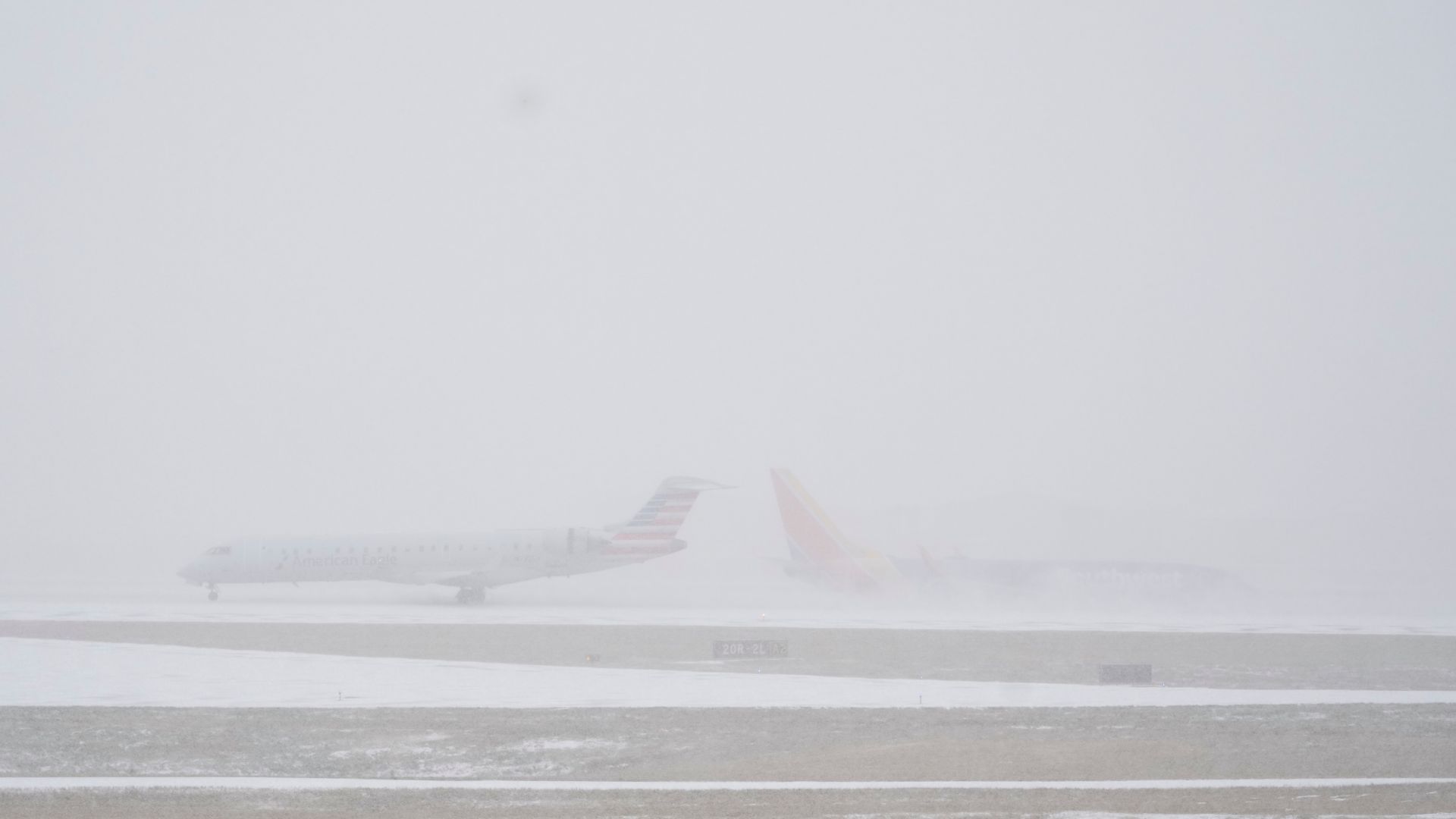
A major winter storm sweeping across the United States has created widespread disruptions for travelers, businesses, and public services. As the storm expanded, a long corridor of winter weather alerts stretched across thousands of miles, increasing operational strain on airlines, rail operators, and local governments.
Flight cancellations and delays escalated sharply through the weekend, affecting airports in multiple regions and forcing passengers and carriers to adjust schedules with little notice. The impacts extended beyond aviation, with rail service also facing cancellations and disruptions in some areas.
For businesses, the storm has the familiar but costly combination of reduced mobility, missed work shifts, interrupted deliveries, and surging demand for emergency services. Retailers and logistics operations are often hit first, as warehouse movements, last-mile deliveries, and commuter traffic become unreliable during widespread ice and snow events.
In many states, leaders have leaned on emergency declarations and preparedness plans, while local agencies have had to balance response needs across transportation safety, power reliability, and public communications. In the short term, the storm can also increase consumer spending on essentials, but it typically depresses broader activity as travel and in-person commerce slow.
The disruptions come at a time when many organizations are still adapting to more frequent operational shocks, from extreme weather to supply-chain volatility. Even short-lived shutdowns can create cascading delays, especially when multiple metro areas are affected simultaneously.
Beyond travel headaches, the storm’s most expensive effects often show up in overtime costs, emergency procurement, lost productivity, and the challenge of restoring normal operations once roads clear. Companies with distributed workforces may also face inconsistent conditions—some regions operating normally while others shut down.
As forecasts evolve, businesses and local officials are continuing to adjust staffing, inventory, and transportation plans, aiming to reduce risk while keeping essential services and critical supply routes functioning.