31,000 Kaiser Permanente health care workers strike across California and Hawaii over staffing and pay
Tens of thousands of Kaiser Permanente health care workers walked off the job in an open-ended strike spanning California and Hawaii. Union leaders say staffing levels, compensation and delays in patient care are core issues, while Kaiser disputes the unions’ claims and says a generous offer remains on the table.
- BYLINE
- Lagos Tribune News Desk
- PUBLISHED
- UPDATED
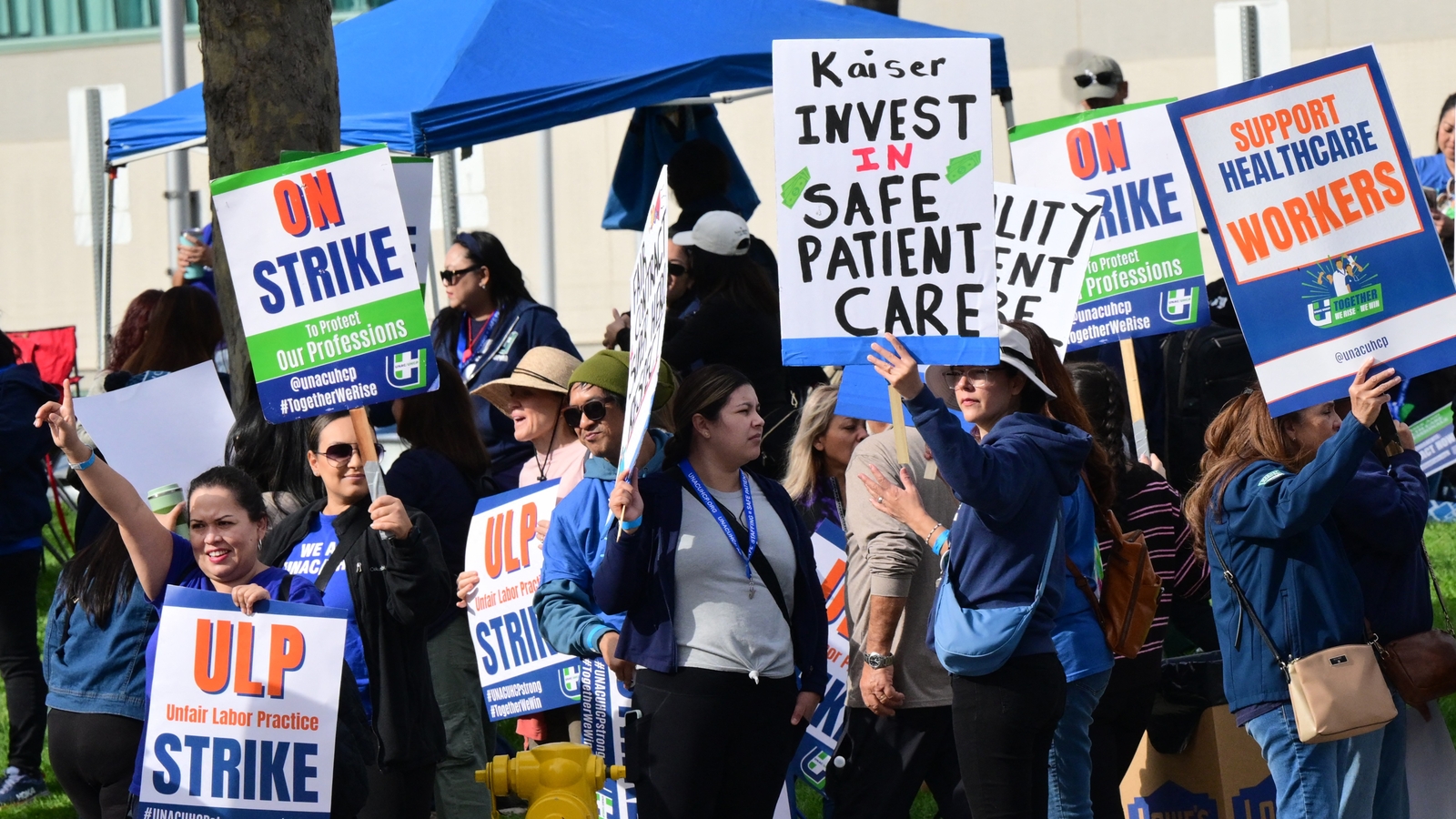
A large multi-state walkout
About 31,000 Kaiser Permanente health care workers in California and Hawaii began an open-ended strike on Monday, January 26, 2026, with coverage and picket lines continuing into Tuesday. The walkout includes registered nurses, pharmacists, physician assistants, nurse practitioners and other specialized clinical staff represented by the United Nurses Associations of California/Union of Health Care Professionals (UNAC/UHCP).
Workers described the action as driven by several concerns: staffing shortages they say compromise safe care, wage demands they argue have not kept pace with workload and cost-of-living pressures, and what they characterize as slow movement at the bargaining table after many months of negotiations.
What unions say is at stake
Union leaders framed the strike as a fight for safe staffing ratios, fair compensation and timely patient care, emphasizing that chronic understaffing can create cascading problems—from longer wait times to burnout and turnover among clinicians. They also argue that staffing is inseparable from quality outcomes, particularly in high-acuity settings where delays can have outsized clinical consequences.
Picket lines formed at multiple Kaiser sites across the state, including major facilities in the Los Angeles area and other regions. Some union members said the length of the dispute has heightened frustration, and they want binding commitments rather than temporary fixes.
Kaiser’s response
Kaiser Permanente has said the strike is unnecessary and disruptive for patients, arguing that it has put forward a strong offer while negotiations continue. The system also pointed to the complexity of bargaining across national and local contracts, and it has maintained that it is committed to reaching agreements that balance competitive pay with affordability for members.
What to watch next
- Whether talks resume in a format both sides accept (local vs. national bargaining structures).
- How Kaiser manages staffing and patient flow during an open-ended strike.
- Whether the dispute expands or triggers sympathy actions from other healthcare unions.
With no end date announced, the key variable is the pace of negotiations and whether a settlement can address staffing language and economic terms without prolonging patient disruption.