Federal agents tied to fatal Minneapolis shooting placed on administrative leave as scrutiny intensifies
Federal agencies and local officials faced fresh scrutiny Wednesday after reports that the officers involved in the fatal shooting of Alex Pretti in Minneapolis were placed on administrative leave, a standard step that has nonetheless intensified political pressure on the Department of Homeland Security.
- BYLINE
- Lagos Tribune News Desk
- PUBLISHED
- UPDATED
What happened and what officials are saying
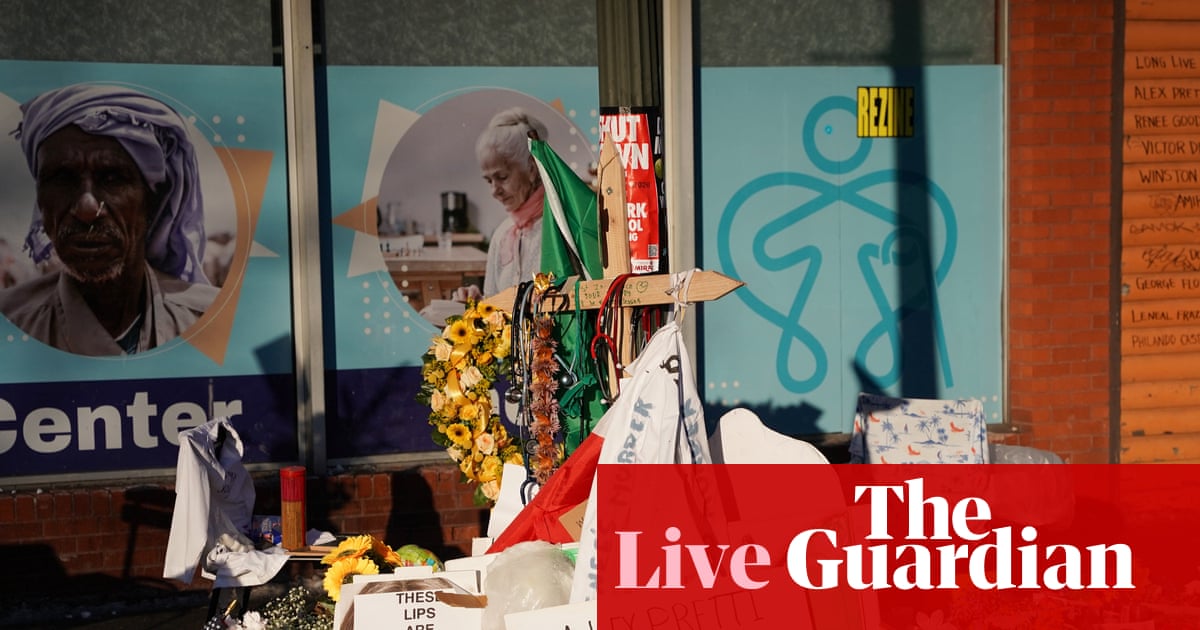
Federal officials said the agents involved in the fatal shooting of Alex Pretti in Minneapolis have been placed on administrative leave, a procedural move that typically follows officer-involved shootings while reviews proceed. The case has drawn national attention amid broader controversy over immigration enforcement tactics and the federal government’s role in local incidents.
The shooting has become a flashpoint in Washington and in Minnesota, where public demonstrations and competing narratives have circulated quickly online. Officials have emphasized that administrative leave is not a disciplinary finding, but critics argue the episode reflects a larger pattern of aggressive enforcement and accountability gaps.
Political fallout and oversight questions
The incident is feeding into wider disputes about the Department of Homeland Security and Immigration and Customs Enforcement, with lawmakers demanding clarity on rules of engagement, the chain of command, and the scope of operations in and around Minneapolis. Questions have focused on what agents knew in advance, how the encounter unfolded, and which internal watchdog processes will determine responsibility.
At the same time, the case is occurring alongside other high-profile federal actions in the state and nationally, amplifying calls from civil rights advocates for stronger transparency requirements, faster release of investigative timelines, and independent review mechanisms when federal agents are involved in use-of-force incidents.
What comes next
Investigations into the shooting are expected to continue, including internal reviews and potential external scrutiny. Observers say the outcome could influence future protocols for immigration-related operations and the way federal agencies coordinate with local authorities during enforcement actions.
For Minneapolis residents, the case has also become intertwined with public safety debates and civic trust, as community groups press for detailed disclosures and public hearings. Officials have urged calm while they collect evidence and complete formal reporting, but political pressure is unlikely to ease soon.