Anger grows after fatal Minneapolis shooting by federal agents as Democrats threaten DHS funding fight
A fatal shooting in Minneapolis involving federal agents has intensified national scrutiny of immigration enforcement tactics and triggered protests and political backlash. Senate Democrats signaled they could use budget leverage to push for accountability as officials dispute details shown in video evidence.
- BYLINE
- Lagos Tribune News Desk
- PUBLISHED
- UPDATED
A killing becomes a flashpoint
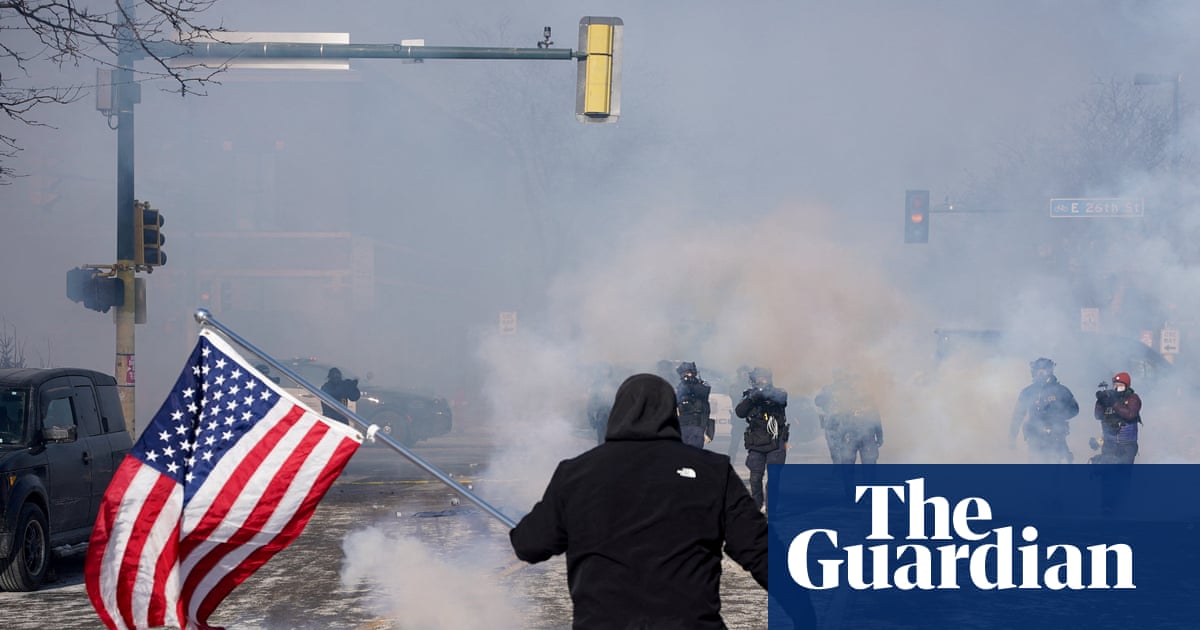
A fatal shooting in Minneapolis involving federal agents has become a major political flashpoint, fueling public anger and sharpening divisions over immigration enforcement. The incident, widely circulated through video and witness accounts, drew immediate questions about use-of-force justifications and whether official statements matched what the footage appeared to show.
The Guardian reported that the man who was killed, Alex Pretti, was a 37-year-old nurse, and that protests grew after the shooting, with demonstrators criticizing federal immigration enforcement and demanding accountability. The episode arrived amid heightened tensions over federal tactics, making it an issue that quickly spilled from local outrage into national politics.
Funding leverage enters the debate
The political response moved beyond statements and into the mechanics of government oversight. According to the same reporting, Senate Democrats discussed using appropriations and Department of Homeland Security funding as leverage, signaling that the controversy could shape near-term legislative fights, not just hearings or internal reviews.
That threat matters because funding deadlines and budget negotiations can compel agency cooperation and produce concessions that are otherwise hard to secure. When lawmakers attach conditions, they can force document production, demand policy changes, or set reporting requirements—tools that become especially potent in high-profile cases where public attention is sustained.
Broader implications for enforcement and public trust
As protests spread and political leaders weigh next steps, the larger question is whether this event drives measurable changes in enforcement operations, training, or transparency. The immediate conflict is over facts—what happened in the moments before the shots, and what standards should govern encounters between federal officers and civilians—but the longer fight is about legitimacy: whether the public believes the system can investigate itself and deliver credible accountability.