Democrats threaten DHS funding blockade after Minneapolis killing as tensions surge over federal enforcement
Political pressure is rising after the Minneapolis killing of Alex Pretti, with Senate Democrats warning they may block spending that includes Homeland Security funding while demanding changes and accountability for federal enforcement actions.
- BYLINE
- Lagos Tribune News Desk
- PUBLISHED
- UPDATED
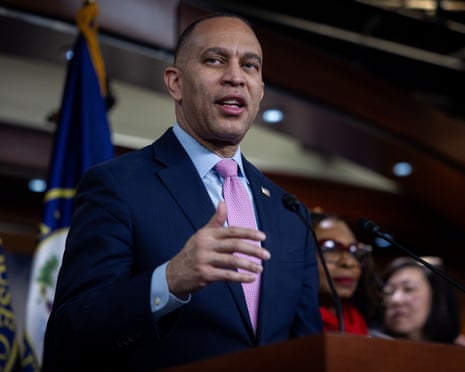
Washington’s budget politics have collided with street-level anger after the killing of Alex Pretti in Minneapolis, a case that has become a rallying point for critics of federal immigration enforcement. Senate Democrats warned they could block spending measures that include funding for the Department of Homeland Security, escalating a confrontation with the Trump administration at a moment when the government already faces a high-stakes calendar of negotiations and deadlines.
The political dispute has been sharpened by the gap between initial federal claims and evidence cited by witnesses. Reporting has described video and testimony suggesting Pretti was holding a phone, not a gun, when he was shot—an assertion that, if borne out, would intensify questions about rules of engagement and whether federal agents are operating with adequate oversight. Officials aligned with the administration have defended the agents and portrayed the situation as dangerous, while opponents argue that the killing reflects an unacceptable pattern.
The Democratic threat to leverage funding is both symbolic and practical: DHS oversees agencies central to immigration enforcement, and lawmakers can use appropriations to demand reporting requirements, restrictions on operations, or broader reforms. The administration, however, is likely to argue that such conditions would cripple enforcement and politicize public safety. Republicans and administration allies have tended to frame the controversy as part of a wider battle over federal authority, border policy, and the right of the executive branch to conduct operations without what they view as obstruction.
Outside Washington, the incident has fueled protests and renewed calls from activists to curtail or even abolish ICE, with demonstrators asserting that federal enforcement has become too aggressive and too insulated from local accountability. The protests, paired with the prospect of a fiscal standoff, add momentum to a national argument about how immigration laws should be enforced, and who bears responsibility when enforcement actions end in death.
The next phase of the political fight will likely depend on the pace and credibility of investigations into the shooting and whether additional video, sworn statements, or agency disclosures clarify what happened. If lawmakers move forward with a funding blockade, the dispute could widen into a full-scale budget clash—one rooted not only in spending numbers but in competing visions of federal power, policing, and immigration governance.