Netanyahu rejects White House request for Israel’s president to attend Davos peace ceremony
Israeli Prime Minister Benjamin Netanyahu declined a White House request involving Israeli representation at a Davos ceremony linked to a Gaza-related diplomatic initiative, highlighting friction over optics and process.
- BYLINE
- Lagos Tribune News Desk
- PUBLISHED
- UPDATED
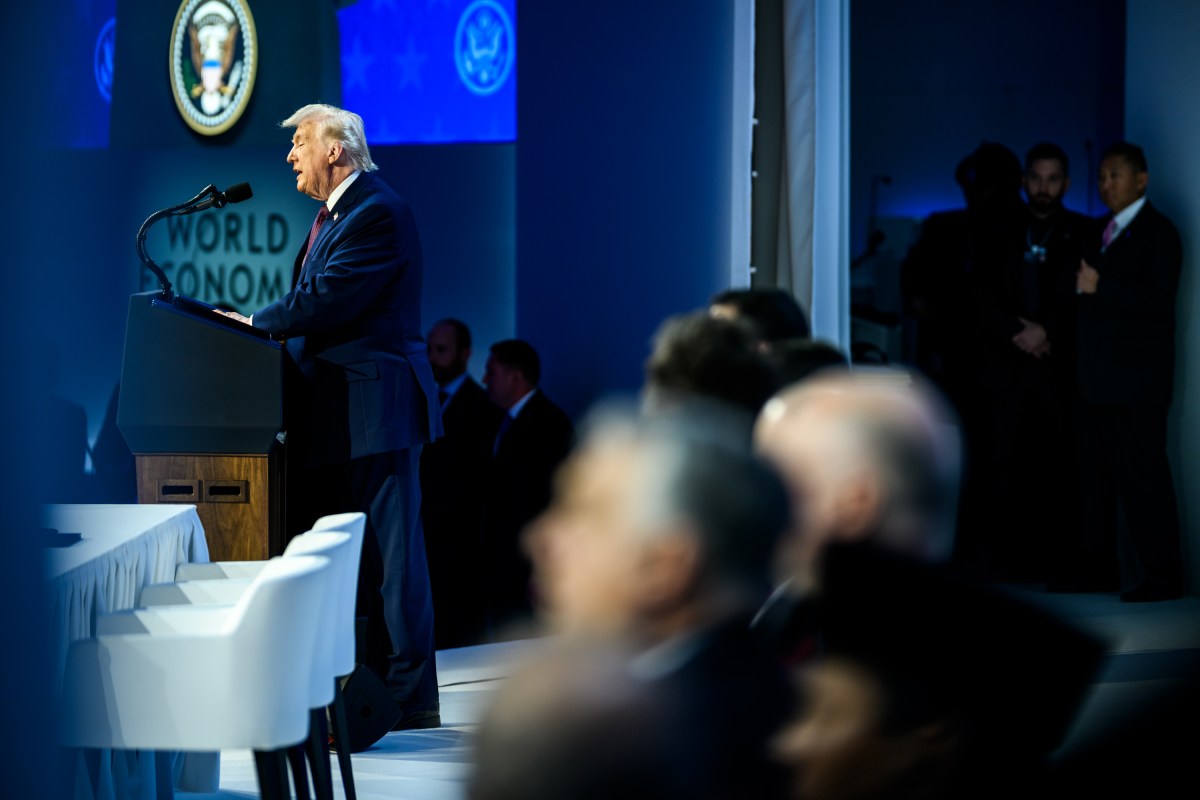
Israeli Prime Minister Benjamin Netanyahu rejected a White House request to allow Israeli President Isaac Herzog to attend a ceremony in Davos tied to a U.S.-backed diplomatic initiative connected to Gaza. The episode, reported January 24, 2026, underscored ongoing sensitivity in Israel over who represents the country in high-profile international settings during an especially volatile period.
According to the report, the Davos ceremony is positioned as part of a wider strategy the White House sees as relevant to advancing the next phase of a ceasefire framework. Invitations were extended broadly, including to Israel, and U.S. officials pressed for Herzog’s presence as a signal of alignment and momentum.
Netanyahu’s refusal suggested he wanted tighter control of the message and the delegation, and it hinted at disputes over symbolism: a president attending may be read as nonpartisan national endorsement, while the prime minister’s office may prefer to manage commitments and public optics more directly.
The White House reportedly chose not to escalate the disagreement publicly. That approach reflects a common calculation in crisis diplomacy: keep arguments private to avoid hardening positions, especially when the underlying goal is to prevent a ceasefire arrangement from collapsing under political pressure.
The dispute also illustrates how diplomatic choreography can matter as much as substantive negotiating texts. Participation, titles, and seating can create domestic political vulnerabilities, and leaders often weigh the immediate diplomatic gain against potential backlash at home.
Why it matters
- Signals tensions over who speaks for Israel internationally during the ceasefire process
- Shows how symbolic attendance can affect negotiations and domestic politics
- Highlights the U.S. effort to build visible multilateral support around a Gaza initiative