Trump sends border enforcement chief to Minnesota as Minneapolis immigration operation draws scrutiny
President Donald Trump said he is sending his ‘border czar’ Tom Homan to Minnesota amid intensifying controversy over federal immigration enforcement actions in Minneapolis. The move comes as national attention focuses on the operation’s tactics, conflicting accounts of recent violence and the mounting political fight over how far the federal government should go in aggressive crackdowns.
- BYLINE
- Lagos Tribune News Desk
- PUBLISHED
- UPDATED
A high-profile federal response in Minnesota
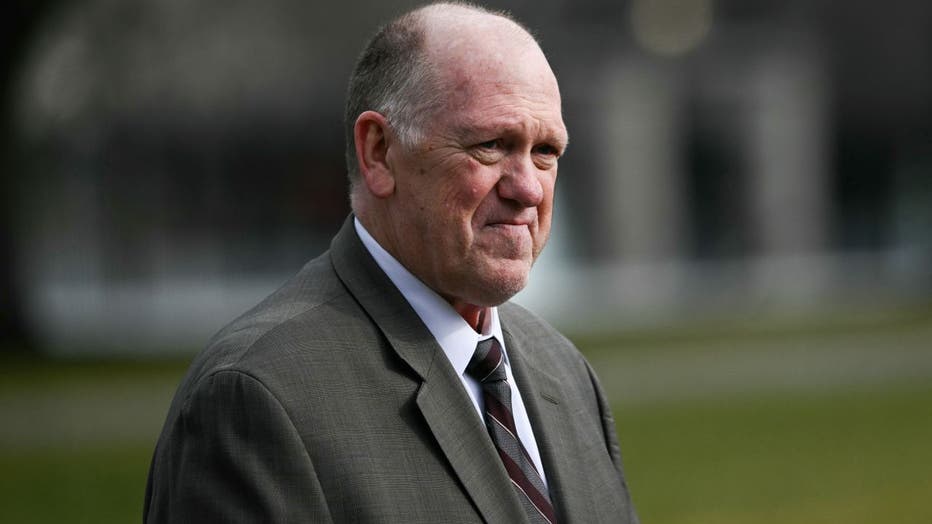
President Donald Trump said he is dispatching Tom Homan—whom he has described as his “border czar”—to Minnesota as the administration faces escalating backlash over immigration enforcement activity in Minneapolis. The announcement signals an effort to assert federal control over a politically charged situation that has triggered protests, competing narratives and demands for accountability.
The Minneapolis enforcement effort has become a flashpoint in the broader national argument over immigration policy: supporters call tougher operations necessary to uphold the law and deter illegal entry, while critics argue that aggressive tactics can escalate risk, harm communities and erode public trust in law enforcement.
Competing claims, public pressure and demands for investigations
The controversy centers on clashes involving federal agents and protesters, and the aftermath has fueled calls—both from activists and some political figures—for independent scrutiny. Video clips and eyewitness accounts have been cited to challenge official descriptions of events, adding to a volatile information environment where small details can quickly become national talking points.
The administration has described the enforcement posture as essential to public safety and to the credibility of immigration law. Opponents counter that broad operations can sweep up nonviolent people, increase fear among immigrant families and create confrontations that are avoidable through more targeted strategies.
What Homan’s visit could mean
Sending a senior figure to the state can serve several purposes: reviewing tactics, meeting with local and state officials, and projecting a message that Washington intends to stay in charge of the response. It can also be read as a political move to rally supporters who favor stricter enforcement and to challenge local leaders who oppose federal actions.
The key question now is whether the visit leads to operational changes, a clearer explanation of federal decision-making, or a hardening of the crackdown. With protests continuing and the national spotlight brightening, even small shifts—such as limiting certain enforcement methods or tightening oversight—could reshape how the administration’s immigration strategy is perceived heading into the next weeks.