Pressure rises on DHS after Minneapolis shooting as border commander reassigned
U.S. politics on Tuesday centered on fallout from a fatal Border Patrol shooting in Minneapolis and escalating calls for accountability at the Department of Homeland Security. Political leaders and activists pushed for firings and investigations as the administration reshuffled key personnel.
- BYLINE
- Lagos Tribune News Desk
- PUBLISHED
- UPDATED
The political temperature around federal immigration enforcement rose again on Jan. 27, 2026 as the Trump administration moved to remove Border Patrol Commander Greg Bovino from Minnesota following the killing of Alex Pretti, a 37-year-old ICU nurse, during a confrontation with border agents. The episode, which drew rapid national attention, triggered bipartisan condemnation in parts of the country and set off a wave of protests, with demonstrators arguing that a personnel move is not the same as justice.
According to reporting summarized in Democracy Now!’s headlines and The Guardian’s U.S. politics coverage, Bovino had been a prominent figure in the administration’s aggressive immigration agenda in the Midwest. The commander’s reassignment—described as a stripping of his “commander at large” role and a return to previous duties in California—arrived as local and national scrutiny intensified over the circumstances of Pretti’s death and the accuracy of initial official accounts. Protesters gathered outside a Minnesota hotel where Bovino was believed to be staying, demanding prosecutions rather than administrative reshuffling.
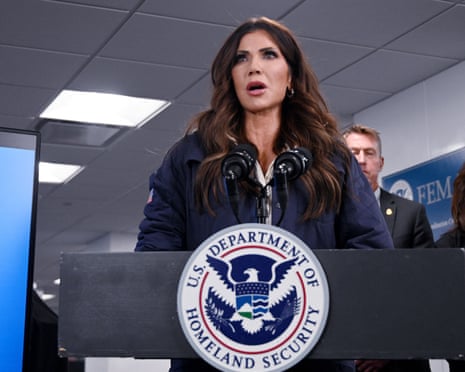
The episode also fed into a broader fight over DHS leadership. The Guardian reported mounting calls for President Trump to remove Homeland Security Secretary Kristi Noem, with some lawmakers tying the Minneapolis incident to a pattern of enforcement actions that they say has led to deaths and civil-rights violations. Notably, the political backlash has spilled across factional lines, with figures who have at times defended parts of the administration’s border approach joining public calls for accountability.
Meanwhile, the headlines described another sign of intra-party strain in Minnesota: a Republican gubernatorial candidate reportedly dropped out, citing opposition to the immigration crackdown and what he described as “retribution” aimed at residents. At the federal level, the controversy landed amid a tense budget environment, with Democrats in the Senate signaling resistance to funding measures that include money for DHS and ICE—raising the risk of a partial government shutdown if negotiations fail before the deadline.
Taken together, the developments show how immigration enforcement can rapidly transform from a policy dispute into a governance crisis, triggering leadership questions, legislative brinkmanship and street protests simultaneously. With court challenges and investigations likely to follow, the Minneapolis shooting is shaping up as a defining political flashpoint for early 2026—one that could influence federal funding talks, state politics and the administration’s broader approach to immigration operations.