U.S. risks losing measles elimination status as outbreaks persist and vaccination gaps widen
A long-running chain of measles transmission that began in early 2025 has spread across states, putting the U.S. at risk of losing its elimination designation and highlighting weaknesses in vaccination coverage and public health capacity.
- BYLINE
- Lagos Tribune News Desk
- PUBLISHED
- UPDATED
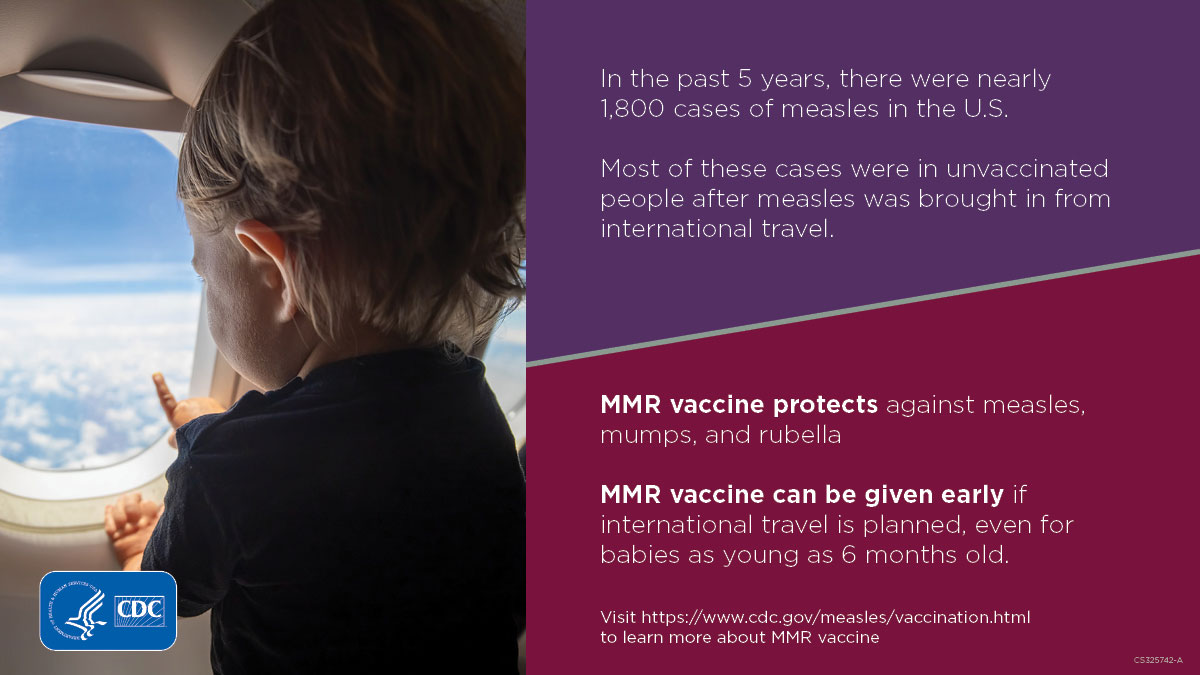
The United States is nearing a public health milestone in the wrong direction: it could lose its measles elimination status if ongoing outbreaks continue to meet the threshold for sustained transmission. Health experts say the risk is driven by a combination of declining vaccination rates, misinformation, uneven access to care and strained public health infrastructure—factors that have made it harder to quickly contain clusters once they start.
Public health agencies define measles elimination not as zero cases, but as the absence of continuous spread for a prolonged period. When the virus keeps moving through communities without a break, it signals that immunity levels are too low in key pockets of the population. According to reporting by the Associated Press, a chain of transmission that began in West Texas in January 2025 has been linked to spread into multiple U.S. states, raising alarm about whether the country is meeting elimination criteria.
The implications are larger than a label. Losing elimination status would be a visible indicator that routine immunization coverage has slipped far enough to allow measles—one of the most contagious viruses—to reestablish itself in recurring outbreaks. Clinicians warn that when measles circulates more often, the burden falls disproportionately on infants too young to be fully vaccinated, people with compromised immune systems and communities with limited healthcare access.
The resurgence has also highlighted how misinformation can translate into measurable disease risk. Pediatricians and local health departments report that vaccine skepticism has become more entrenched in certain areas, and that even small declines in coverage can create conditions where measles spreads rapidly once introduced by travel or local exposure.
Experts also point to operational challenges: understaffed health departments, reduced budgets, and the difficulty of rapid contact tracing when outbreaks occur across state lines. Measles’ high transmissibility means response teams must move quickly, and delays can allow a handful of cases to become multiple clusters.
As the U.S. approaches upcoming international review points in 2026, health officials emphasize that the pathway to reversing the trend is straightforward but demanding: rebuild trust, improve access and raise vaccination coverage in the communities where it has slipped. Without that, outbreaks are likely to continue—and the country’s elimination status may be the next casualty.