CDC marks Radon Awareness Week as National Radon Action Month continues
The CDC is observing Radon Awareness Week from January 26–30, 2026, urging households to test for radon, an invisible gas and a leading cause of lung cancer after smoking. The campaign highlights practical steps for testing and mitigation and encourages communities to share their experiences to spur prevention.
- BYLINE
- Lagos Tribune News Desk
- PUBLISHED
- UPDATED
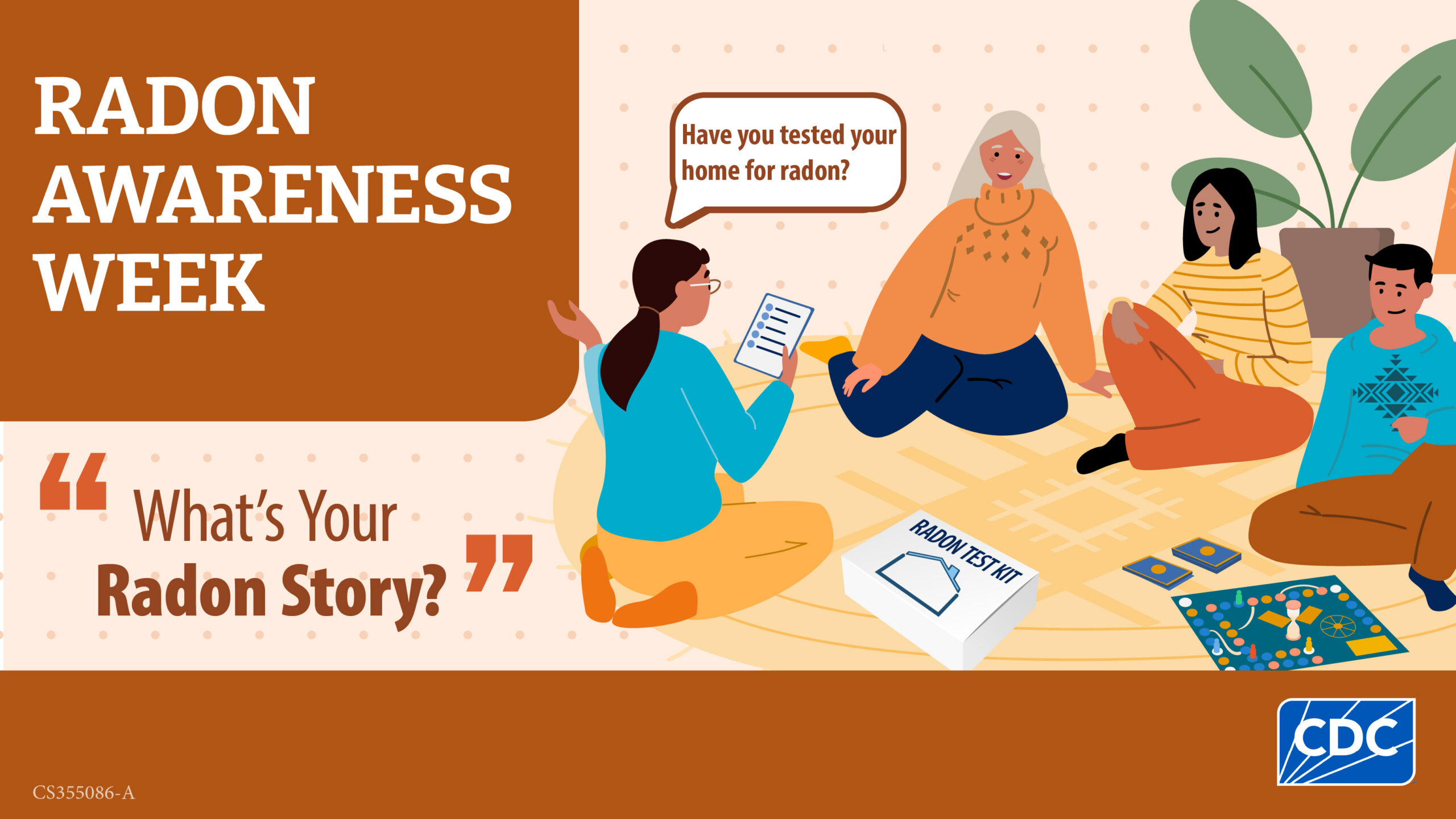
The Centers for Disease Control and Prevention is observing Radon Awareness Week from January 26 to January 30, 2026, as part of National Radon Action Month. The agency is encouraging people to test their homes for radon—an invisible, odorless gas that can build up indoors and increase the risk of lung cancer over time.
On its radon information page, the CDC describes radon as a serious home health hazard and notes that it is the second leading cause of lung cancer deaths in the United States after cigarette smoking. Because radon cannot be detected by sight or smell, testing is the primary way families can learn whether they are exposed to unsafe levels.
The agency’s 2026 theme, “What’s Your Radon Story?,” aims to make the risk more concrete by prompting people to connect the issue to real homes and real communities. The CDC frames the week as a time to share practical actions—such as using test kits, learning local guidance, and pursuing mitigation when needed—rather than treating radon as an abstract threat.
Public health officials have long emphasized that radon risk varies widely by geography and by housing characteristics, meaning neighboring homes can sometimes test differently. As a result, the message during Radon Awareness Week is straightforward: test your specific living space, understand the result, and take steps to reduce levels if readings are high.
The CDC’s timing is intentional. By placing Radon Awareness Week in the last week of January, the agency hopes to spur action during winter, when homes are often more closed up and indoor air issues can become more pronounced. For households that have never tested, the awareness week is designed to provide the nudge and information needed to start.