More than 30,000 Kaiser Permanente workers strike over staffing and pay
Thousands of Kaiser Permanente nurses and health-care workers in California and Hawaii walked off the job, demanding higher wages and better staffing. The strike adds to a broader wave of labor unrest in health care as hospitals and systems face retention pressures and rising costs.
- BYLINE
- Lagos Tribune News Desk
- PUBLISHED
- UPDATED
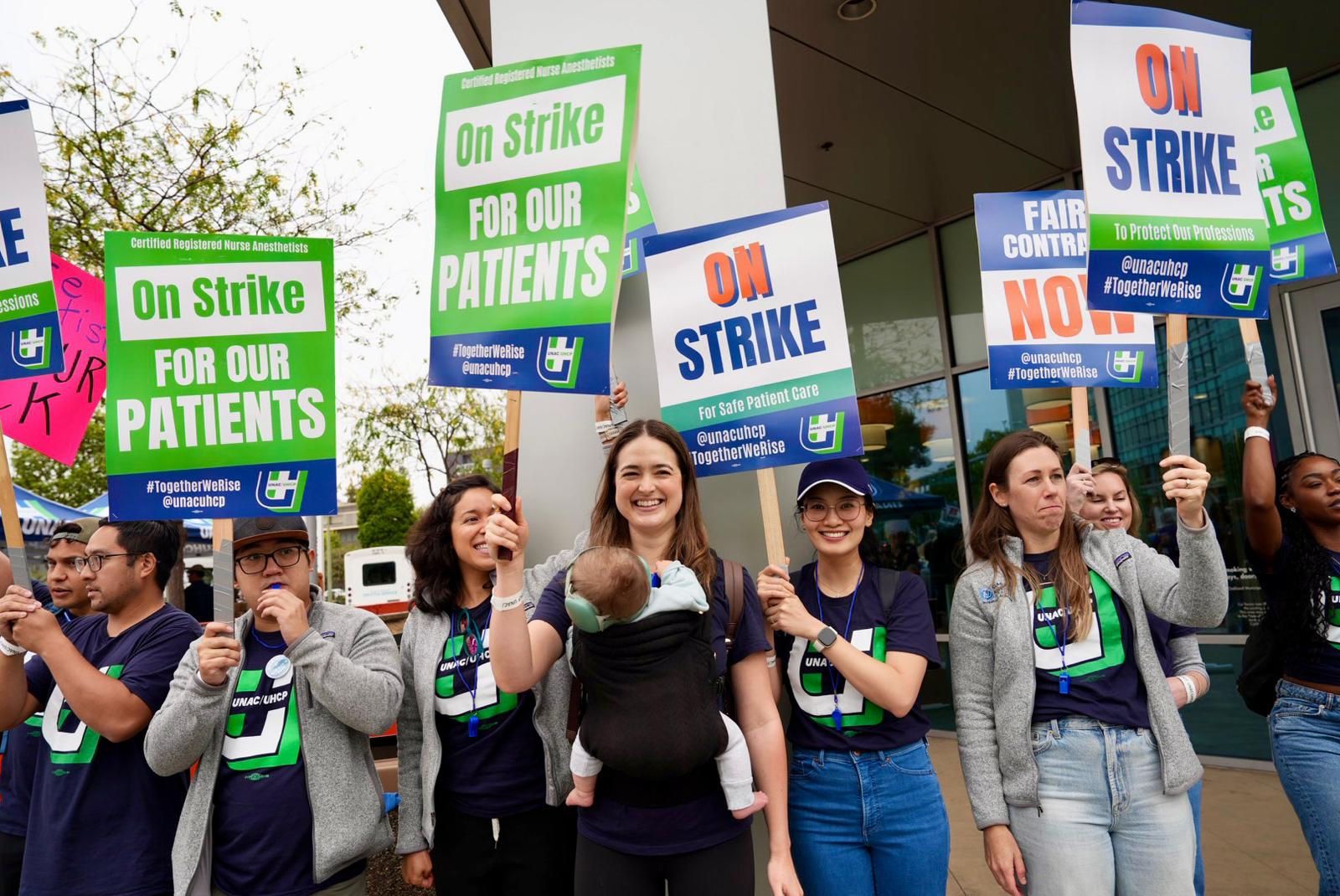
More than 30,000 Kaiser Permanente nurses and health-care workers across California and Hawaii went on strike Monday, intensifying a labor fight centered on wages, staffing levels and working conditions. The action underscores how post-pandemic strain continues to reshape U.S. health care: even large systems with strong balance sheets and recognizable brands are facing workforce pressure as clinicians and support staff push for better compensation and safer staffing ratios.
According to Democracy Now!’s Jan. 27, 2026 headline report, the union is seeking 25% raises over four years and argues that staffing gaps are undermining patient care and burning out frontline workers. Organizers also said Kaiser halted contract negotiations in December, a claim that framed the strike as both a pay dispute and a breakdown in the bargaining process. For patients, the immediate question is what services are delayed and how the system covers essential care during work stoppages; for Kaiser, the broader issue is whether concessions today avert more disruptive turnover tomorrow.
The Kaiser strike also arrives in the context of other major nursing labor actions. Democracy Now! noted that nearly 16,000 nurses in New York City had entered a third week on strike, a signal that tensions over staffing and compensation are not isolated to one region or employer. While health systems often argue that budgets are constrained by reimbursement rates and rising operating costs, labor groups counter that chronic understaffing increases risk and pushes nurses out of the profession—costing employers more in the long run through recruitment, training and reliance on higher-priced temporary labor.
Some movement has emerged elsewhere: the report said two New York hospitals—Mount Sinai and NewYork-Presbyterian—agreed to maintain health benefits for nurses during their strike, suggesting negotiations can yield partial agreements even when broader contracts remain unresolved. Still, the central tension remains: workers want better pay and manageable workloads, while employers seek predictable labor costs and flexibility in staffing models.
If the Kaiser walkout drags on, the implications extend beyond one company. Large-scale strikes can influence regional labor markets, push other employers to preemptively raise wages, and accelerate political debates over mandated staffing standards. For now, the dispute highlights a basic reality of modern health care: clinical capacity is not only about beds and equipment—it is also about whether enough trained people are willing to do the work, on terms they consider sustainable.