Massive winter storm slams broad swath of U.S., knocking out power and canceling thousands of flights
A sprawling storm system is bringing snow, sleet, and crippling ice from the Southwest to New England, forcing emergency declarations, grounding flights, and leaving hundreds of thousands without electricity as dangerous cold lingers.
- BYLINE
- Lagos Tribune News Desk
- PUBLISHED
- UPDATED
What’s happening
A huge winter storm spreading across much of the United States on Sunday, January 25, 2026, is delivering a volatile mix of heavy snow, sleet, and freezing rain that is snarling travel and raising safety concerns from the Southern Plains through the Mid-Atlantic and into New England. Conditions are changing quickly as the storm’s precipitation transitions from snow to ice and back again in different regions, making roads unpredictable and complicating utility restoration.
The storm’s footprint is extraordinary: warnings and advisories cover a massive stretch of the country, and officials in multiple states have urged residents to avoid unnecessary travel. In many areas, the most dangerous impacts are expected where freezing rain accretes on trees and power lines, increasing the risk of widespread outages and downed limbs. Even where snowfall totals are lower, the combination of sleet and wind-driven snow can sharply reduce visibility and create near-whiteout bursts.
Power outages and public safety
Power disruptions have become one of the storm’s defining impacts. As ice accumulates, utilities are reporting escalating outages, particularly across parts of the South and lower Mid-South where freezing rain is more persistent. With temperatures plunging behind the storm, prolonged outages raise the risk of hypothermia for households that lose heat, and local officials are emphasizing warming centers and community checks for vulnerable neighbors.
Emergency managers have also warned that the cold behind the storm could slow repairs. Crews often must pause when icing becomes too dangerous to work in bucket trucks or when roads become impassable. The result is a feedback loop: more ice can mean more outages, which then take longer to resolve because the same icing makes restoration hazardous.
Travel chaos: cancellations, delays, and hazardous roads
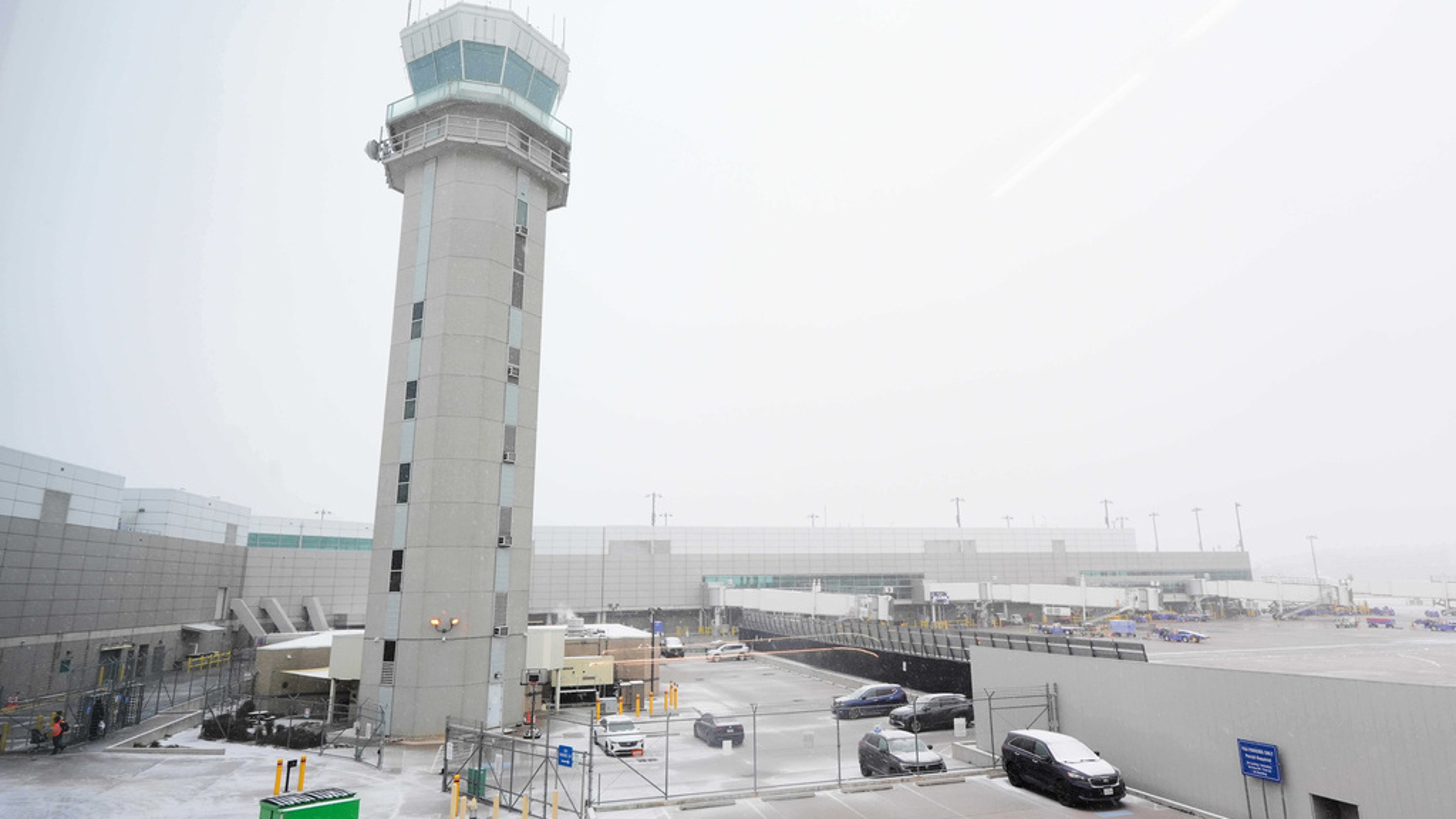
Air travel has been heavily disrupted, with thousands of cancellations and delays cascading through major hubs as aircraft de-icing, runway conditions, and crew scheduling tighten simultaneously. Airlines have advised travelers to check status frequently and to expect knock-on effects even in cities not receiving the worst snow or ice, because aircraft and crews are often repositioned through interconnected networks.
On the ground, the storm is producing a wide range of hazards. Some regions are dealing with heavy snow that quickly packs down into slippery layers, while others are seeing glaze ice that is far more treacherous than snow. Transportation agencies have warned that bridges and overpasses freeze first, and that a short drive can traverse multiple weather regimes—dry pavement turning into freezing drizzle, then snow, then sleet—without much warning.
What to watch next
Forecasters and officials are emphasizing that the storm’s worst impacts can continue even after precipitation ends. The post-storm cold can refreeze melted slush into black ice overnight, while drifting snow can re-block cleared roads. In hard-hit outage zones, the priority is keeping residents warm and preventing carbon monoxide poisoning as people turn to generators, grills, or improvised heat sources.
- Check local alerts and road conditions before traveling; conditions can shift block by block.
- If you lose power, use generators outdoors and away from windows; never use grills indoors.
- Keep a phone charged, conserve battery, and have blankets, water, and shelf-stable food ready.