Nationwide protests swell after Minneapolis killing by federal agent as video contradicts official claims
A fatal shooting by a federal agent in Minneapolis set off protests across U.S. cities, with witnesses and video disputing early government statements and Democrats threatening to block Homeland Security funding.
- BYLINE
- Lagos Tribune News Desk
- PUBLISHED
- UPDATED
What happened in Minneapolis
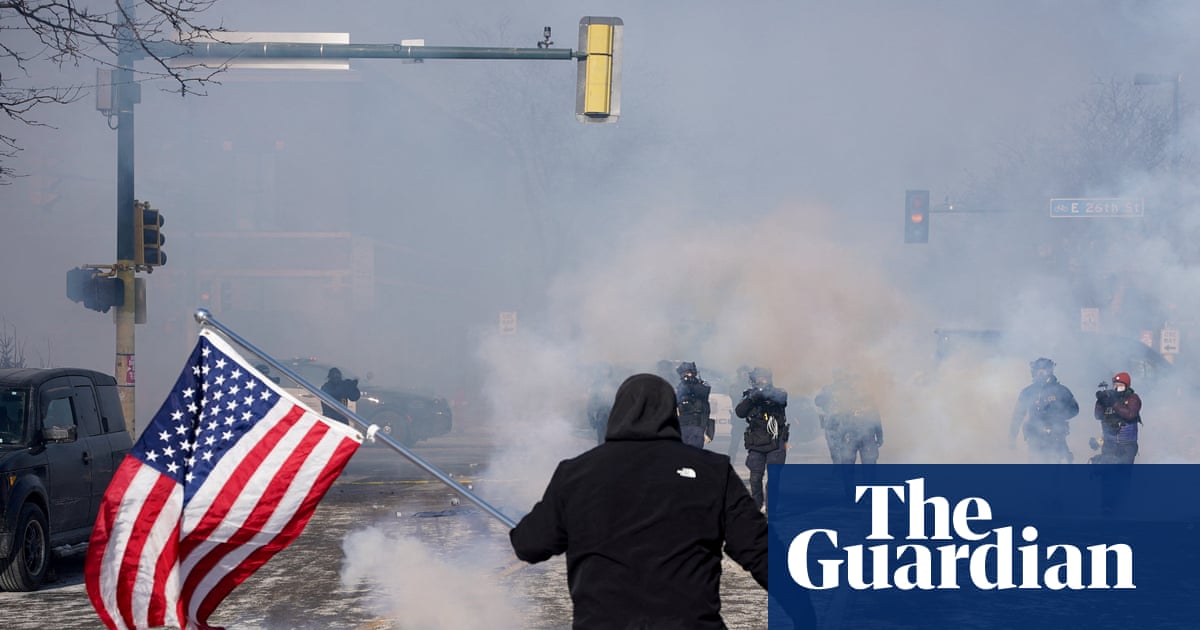
A 37-year-old Minneapolis nurse, Alex Pretti, was shot and killed during an encounter involving federal officers, becoming the latest flashpoint in a fast-building national backlash against federal immigration enforcement tactics. The incident quickly moved from a local tragedy to a national political crisis because widely shared video appears to undercut the initial framing offered by administration officials.
According to reporting and witness accounts summarized in major U.S. and U.K. outlets, Pretti was not brandishing a gun at the moment he was shot; instead, the footage suggests he was holding a phone. That contradiction has become central to public anger and to the demands from elected officials for accountability, transparency about the agent’s actions, and release of additional body-camera or surveillance evidence.
Why the story is escalating nationally
The shooting is being described as the second fatal incident involving federal agents in a short span, amplifying claims that federal operations are growing more aggressive and less accountable. Demonstrations that began in Minneapolis spread to other major cities, combining grief vigils, marches, and calls for significant reforms—or outright abolition—of ICE. The scale and speed of mobilization has pushed the issue to the forefront of Sunday political coverage.
In Washington, the episode is colliding with the federal budget fight. Senate Democratic leaders have warned they may block funding packages if they include money for the Department of Homeland Security without meaningful changes, a strategy designed to force negotiation over enforcement rules, oversight, and the use of force by federal agents. Republicans and the administration, meanwhile, have defended federal personnel and argued the public reaction is being shaped by incomplete information.
What to watch next
- Whether investigators release more video, reports, or sworn testimony clarifying what officers believed in the seconds before shots were fired.
- How quickly congressional leaders turn outrage into specific legislative demands (oversight, operational limits, or funding conditions).
- Whether protests remain peaceful and sustained in multiple cities through the coming week.
- How the case interacts with broader immigration enforcement policy debates and potential court challenges.
With the public record already contested and the politics rapidly hardening, the Minneapolis killing appears likely to remain a top national story, shaping both street-level demonstrations and the next round of Washington budget brinkmanship.