Outrage and protests grow after federal agents kill a Minneapolis nurse, as U.S. winter storm disruptions mount
A second fatal shooting by federal agents in weeks sparked a new wave of protests and political pressure over immigration enforcement, while a sprawling winter storm continues to disrupt travel and daily life across large parts of the United States.
- BYLINE
- Lagos Tribune News Desk
- PUBLISHED
- UPDATED
A killing that ignited a national response
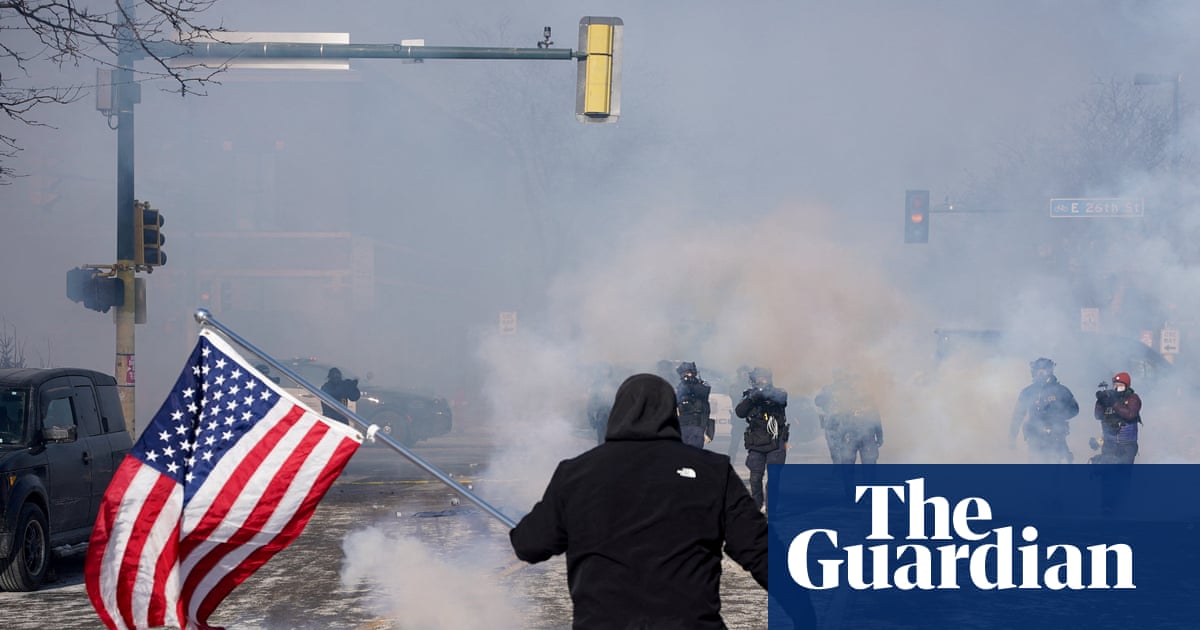
Anger spread across multiple U.S. cities this weekend after Alex Pretti, a 37-year-old nurse in Minneapolis, was fatally shot by federal agents. The incident quickly became a flashpoint because early accounts and emerging video details appeared to conflict over whether Pretti posed a threat.
Local leaders condemned the death, and demonstrations expanded beyond Minneapolis as activists, immigrant-rights groups, and community organizations called for accountability and tighter controls on federal enforcement operations. The shooting also intensified scrutiny of tactics used by immigration authorities and other federal teams operating in urban areas.
Political pressure and funding threats
The fallout has reached Washington, with Democratic lawmakers signaling they may use the appropriations process to force concessions. Talk of blocking or conditioning Department of Homeland Security funding has become a central leverage point in the debate, reflecting how quickly the incident has become entwined with broader fights over immigration and policing.
Supporters of tougher enforcement argue federal agents are facing increasingly tense street conditions and must make split-second decisions. Critics counter that civilian deaths, especially when disputed facts and recordings circulate online, demand independent review and clearer guardrails for federal deployments.
Storm disruptions compound the weekend’s strain
At the same time, a major winter storm sweeping across wide swaths of the country has contributed to a chaotic weekend for many Americans. Airlines and airports faced cascading delays and cancellations, and emergency measures were declared in numerous states as snow, ice, and dangerously cold air spread.
The convergence of a politically charged shooting and a large-scale weather emergency has strained local resources in some places, with public officials juggling crowd management, road safety, and social services as conditions deteriorate in affected regions.
What comes next will likely hinge on investigative findings, any disciplinary actions or policy changes announced by federal agencies, and whether lawmakers convert the public outcry into concrete legislative or budgetary constraints. Meanwhile, the storm’s final track and cleanup timeline will shape how quickly travel and normal routines recover for millions.