Outrage grows after fatal Minneapolis shooting by federal agents, as protests spread nationwide
A second fatal shooting by federal immigration agents in Minneapolis in less than three weeks triggered nationwide protests and sharpened a political showdown in Washington over Homeland Security funding.
- BYLINE
- Lagos Tribune News Desk
- PUBLISHED
- UPDATED
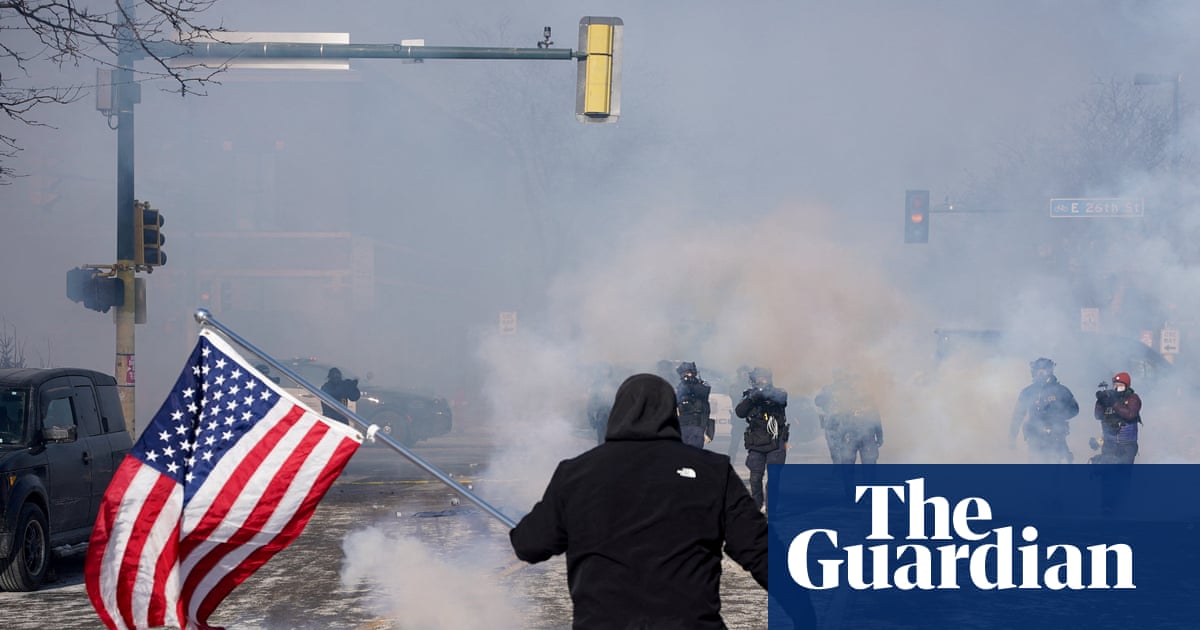
Public anger surged this weekend after Alex Pretti, a 37-year-old registered nurse, was fatally shot in Minneapolis during an encounter involving federal immigration enforcement. The incident was the second killing by federal agents in Minneapolis in less than three weeks, and it quickly set off demonstrations that spread well beyond Minnesota.
Protesters gathered in multiple cities and braved severe winter conditions to demand accountability and an end to aggressive immigration enforcement tactics. Demonstrations included calls to abolish Immigration and Customs Enforcement (ICE) and to rein in the Department of Homeland Security (DHS), which oversees the agency.
The shooting became a flashpoint in an already tense national debate about immigration operations and the expanding role of federal agents in local communities. In Minneapolis, officials questioned why enforcement actions continue to produce deadly confrontations and whether federal deployments are escalating conflict rather than restoring order.
In Washington, Democrats warned the backlash could spill directly into budgeting fights, threatening to block funding packages that include DHS money unless reforms are adopted. The standoff raises the prospect of a broader political showdown over enforcement policy, oversight, and funding priorities.
Federal officials and some Republican allies defended the agents’ actions and argued that the situation was dangerous. But critics pointed to video and eyewitness accounts circulating online and in media coverage, saying they contradict official claims about what Pretti was doing at the moment he was shot.
The crisis also unfolded as a massive winter storm disrupted travel and strained emergency services across wide swaths of the country, complicating local responses to protests and raising concerns about how rapidly shifting federal decisions could affect safety and preparedness during severe weather.
With protests continuing and lawmakers escalating threats to use the budget process as leverage, the Minneapolis shooting is shaping up as a defining domestic story of late January, with implications for immigration enforcement, civil liberties, and federal-state relations.