Protests grow after a second fatal shooting by federal agents in weeks, as scrutiny of immigration enforcement intensifies
Outrage spread across U.S. cities after a Minneapolis nurse was fatally shot during an encounter involving federal officers, prompting protests, demands for accountability, and renewed debate over the role and tactics of immigration enforcement.
- BYLINE
- Lagos Tribune News Desk
- PUBLISHED
- UPDATED
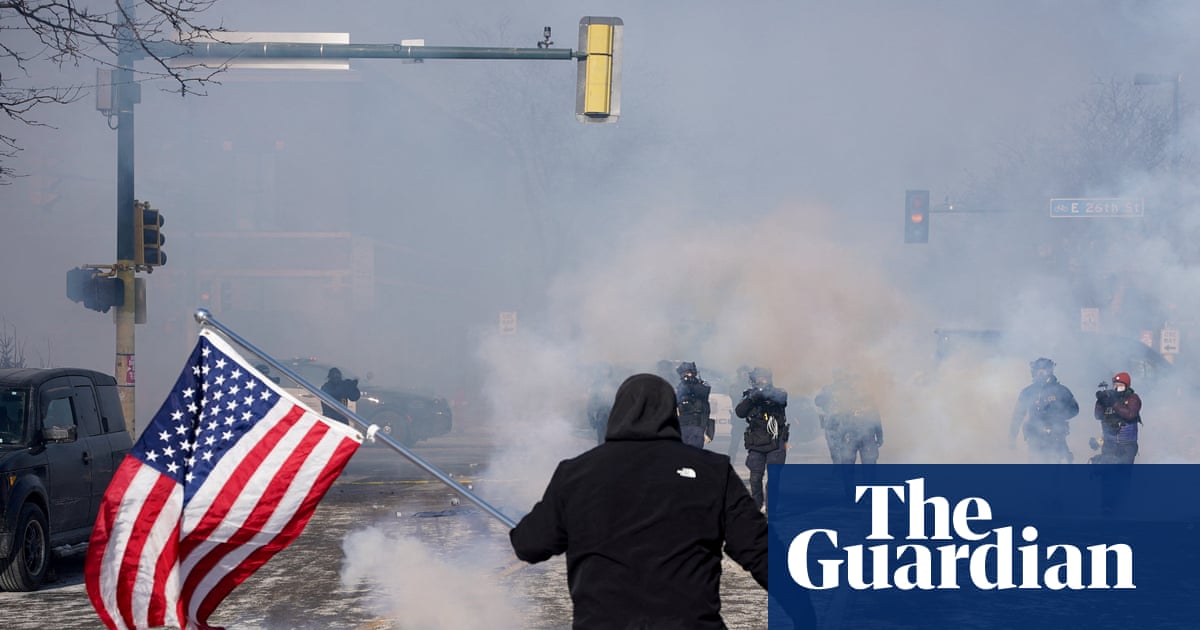
Public anger swelled this weekend after a Minneapolis man, described by family and colleagues as a nurse who tried to intervene during a tense encounter, was fatally shot in an incident involving federal officers. The episode became the latest flashpoint in a series of confrontations tied to federal immigration activity, with demonstrators and local officials demanding clearer answers, public evidence, and accountability for the use of force.
The shooting quickly reverberated beyond Minnesota. Marches and rallies were reported in multiple cities as organizers framed the death as part of a broader pattern they say has emerged from aggressive federal actions. Protesters called for investigations into the officers’ conduct and for limits on federal operations that, in their view, are being carried out with insufficient transparency and too little oversight.
Officials in Minneapolis and at the state level condemned the killing and urged a full accounting of what happened, while national lawmakers seized on the incident as a test of how the federal government polices its own. Democrats in Congress signaled they could use funding and oversight tools to pressure the Department of Homeland Security and its enforcement components to change course.
The case also intensified criticism of Immigration and Customs Enforcement, with advocates arguing that the agency’s presence and tactics create avoidable conflict in communities. Some demonstrators demanded structural changes, including calls to dismantle or significantly curtail the agency, while others emphasized immediate steps such as stricter rules on force and mandatory disclosure of body-camera and video evidence when deadly incidents occur.
Supporters of tougher immigration enforcement, meanwhile, argued that federal agents operate in unpredictable and dangerous conditions and that any evaluation must include the full context of the encounter and the risks officers face. They urged the public to wait for official investigative findings and warned against assuming misconduct before evidence is presented in full.
The political temperature around the issue rose further as related headlines—ranging from the administration’s broader domestic agenda to severe winter weather affecting large parts of the country—competed for attention. Still, for many communities, the central question remained whether federal enforcement is being conducted with adequate safeguards to prevent unnecessary loss of life.
In Minneapolis, mourners gathered to remember the victim and to call for changes they say could prevent future deaths. Organizers promised additional demonstrations in coming days, and lawmakers indicated hearings and budget fights could follow, turning a local tragedy into another national battle over policing, immigration, and the federal government’s use of force.