Protests grow after Minneapolis shooting by federal agents, amplifying calls to rein in immigration enforcement
A fatal shooting of an American nurse by federal agents in Minneapolis has triggered rapid, multi-city protests and fresh pressure on Washington over immigration enforcement and oversight.
- BYLINE
- Lagos Tribune News Desk
- PUBLISHED
- UPDATED
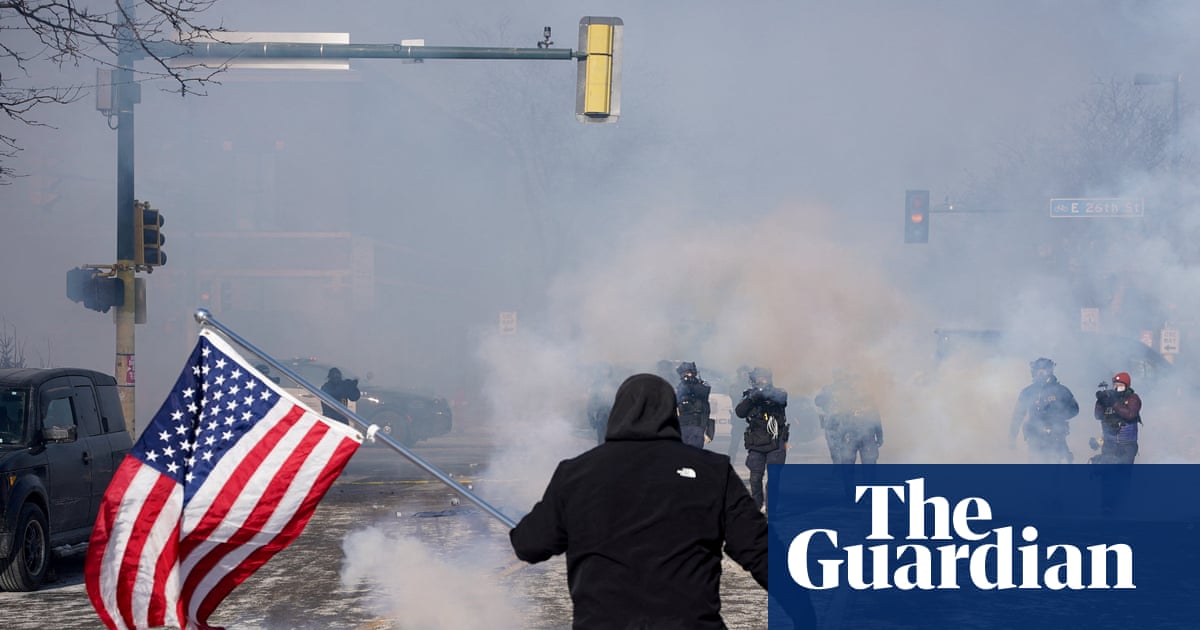
The killing of Alex Pretti, a 37-year-old registered nurse in Minneapolis, has become a national flashpoint, accelerating anger at federal immigration enforcement and triggering demonstrations well beyond Minnesota. The incident occurred after Pretti appeared to step in as federal officers handled another person during a street confrontation. What followed, according to reporting and video reviewed by multiple outlets, was a chaotic clash: Pretti was sprayed with a chemical agent, forced to the ground, and shot by federal agents.
The public reaction intensified when circulating footage appeared to contradict official claims. Video described by reporters showed Pretti holding a phone, not a gun, undermining assertions by senior officials that he posed an imminent threat. While accounts note that Pretti was legally licensed to possess a firearm, coverage also emphasized uncertainty about whether he had one on him at the time, and the key dispute has centered on what he had in his hands during the moments before he was shot.
In the hours after the shooting, protests spread to multiple cities, with demonstrators demanding accountability and, in many cases, calling for Immigration and Customs Enforcement to be fundamentally restructured or abolished. Officials in Minneapolis condemned the episode and questioned how many more incidents would be required before changes were made to federal operations. The death also revived broader concerns about aggressive enforcement tactics and the accountability mechanisms that govern federal agencies operating inside cities.
The shooting also fed into a widening political fight in Washington. Democrats argued that DHS oversight and funding must be tied to enforceable reforms, and some leaders signaled they could block funding packages if money for homeland security agencies moves forward without safeguards to curb what they describe as abuses. Republicans, meanwhile, have defended a tougher enforcement posture as necessary for border and interior security, setting up a sharp budget and oversight confrontation.
Beyond the immediate legislative battle, the episode has become a test of trust. For many demonstrators, the gap between the official narrative and what they believe the video shows is the central grievance, fueling demands for transparent, independent investigations, public release of evidence, and clear disciplinary outcomes where wrongdoing is found. For federal authorities, the shooting adds to scrutiny of training, rules of engagement, and the threshold for using deadly force during domestic operations.
As the protests continue, the case is likely to shape debates over the limits of federal policing powers, the role of local and state officials in responding to federal actions, and how quickly Congress can translate public outrage into binding oversight. In the near term, organizers are preparing additional rallies while lawmakers clash over whether DHS funding should proceed and under what conditions. The outcome could set precedents for how similar incidents are investigated and how quickly policy changes can be imposed on federal enforcement agencies.