Winter Storm Fern spreads ice, snow and extreme cold across the U.S., triggering emergency declarations and mass travel disruption
A sprawling winter storm pushed dangerous ice and heavy snow across wide swaths of the United States on Sunday, January 25, 2026, cutting power to hundreds of thousands and forcing thousands of flight cancellations. Federal and state officials urged residents to avoid travel, prepare for prolonged cold, and watch for rapid changes as the system advances east.
- BYLINE
- Lagos Tribune News Desk
- PUBLISHED
- UPDATED
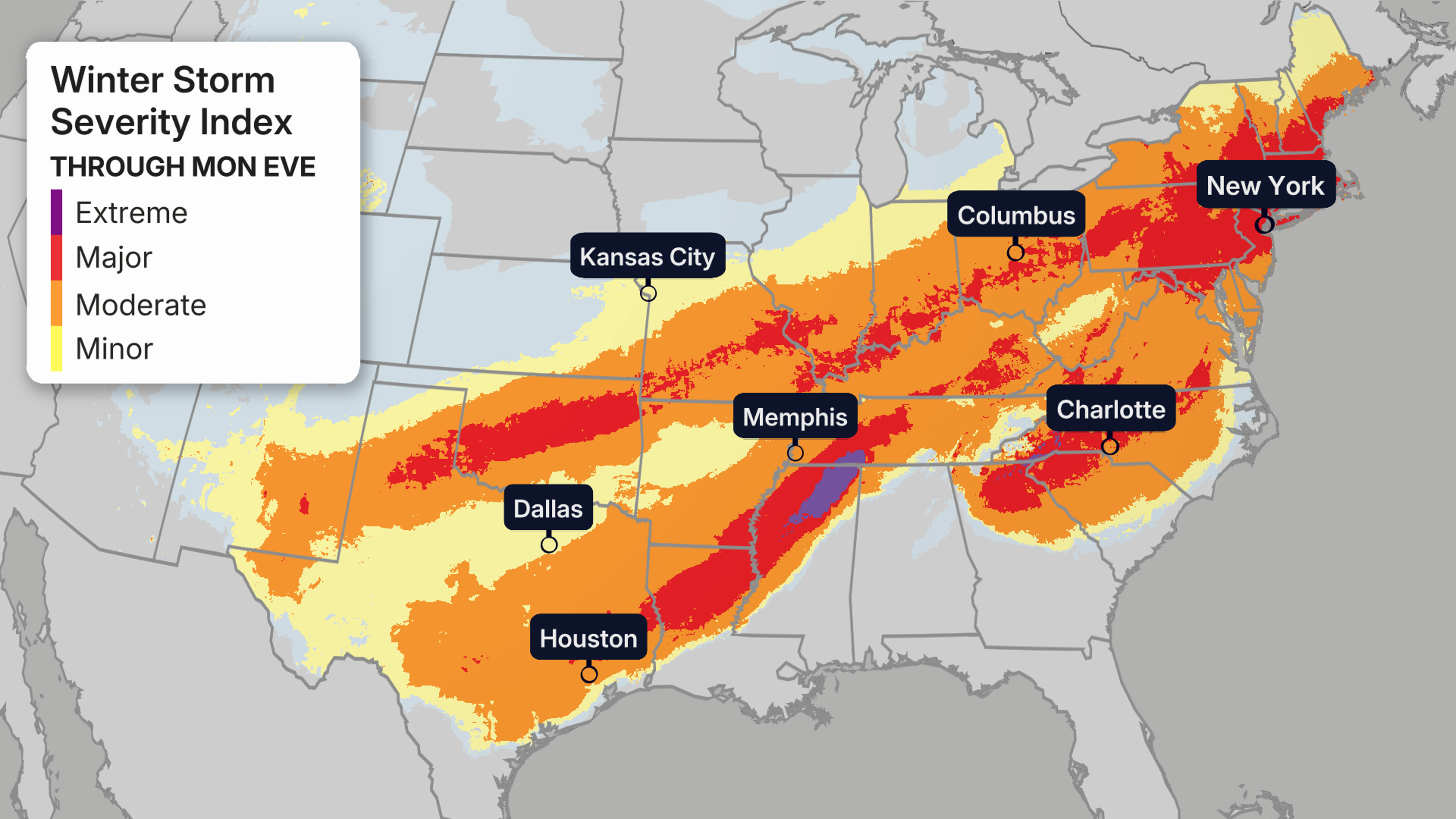
Storm footprint expands as outages and cancellations mount
Winter Storm Fern intensified across the eastern two-thirds of the United States on Sunday, January 25, 2026, bringing a wide mix of hazards: heavy snow, sleet, freezing rain, and dangerously low temperatures. Forecasters warned that the event would be unusually expansive and long-lasting, with some areas facing ice buildup severe enough to snap trees and power lines, while other regions brace for substantial snowfall and bitter wind chills.
Power failures and travel paralysis became the clearest signals of the storm’s reach. Reuters reported that hundreds of thousands of households and businesses were without electricity as the storm advanced, while flight-tracking data showed that thousands of Sunday departures were expected to be canceled. Airline networks in major hubs along the storm track faced rolling disruptions, with carriers adjusting schedules and cautioning travelers to monitor alerts and rebooking options as conditions shifted from hour to hour.
States along the South, Midwest, and Mid-Atlantic moved into emergency posture. Officials emphasized two key risks: rapid icing that can make roads impassable and create prolonged outages, and sustained cold that can turn a temporary disruption into a dangerous situation for people without reliable heat. Utility crews and emergency agencies positioned equipment and personnel to respond, while residents in the highest-risk zones were urged to stock essential supplies and limit time outdoors.
Federal response and public warnings
According to reporting that cited Reuters, President Donald Trump approved federal emergency declarations in multiple states in the storm’s path, and the Department of Homeland Security and FEMA prepared to support local response. Separately, the Associated Press described a broad band of winter weather stretching from the South toward New England, with ice threats in parts of the Southeast and heavy snow potential farther north.
Officials repeatedly highlighted that the storm’s dangers are not limited to snowfall totals. Ice can be especially destructive because it adds weight to infrastructure, prolongs restoration work, and creates “black ice” conditions that are hard for drivers to detect. Meanwhile, prolonged sub-freezing temperatures raise the risk of exposure, carbon monoxide poisoning from improper heating, and burst pipes—problems that often appear after the worst precipitation ends.
What happens next
Forecasters expected the system to continue affecting large portions of the country into early week, with the potential for additional outages and major travel delays. Emergency managers urged residents to check on vulnerable neighbors, keep mobile devices charged, and avoid unnecessary trips—especially in areas under ice storm warnings. For travelers, the advice was practical: confirm flight status before leaving for the airport and prepare for rapid schedule changes as airlines work through de-icing operations and crew positioning constraints.