Winter storm paralyzes U.S. travel as airlines cancel more than 10,000 flights in a day
A sprawling winter storm sweeping from the southern Rockies to New England is snarling travel and daily life across the United States. Airlines canceled more than 10,000 flights on Sunday alone, with major hubs from Dallas-Fort Worth to the New York area hit hard. Forecasters warned of heavy snow totals in the Northeast and hazardous ice in other regions, while travelers were urged to rebook online and remember they can claim refunds for canceled flights if they choose not to travel.
- BYLINE
- Lagos Tribune News Desk
- PUBLISHED
- UPDATED
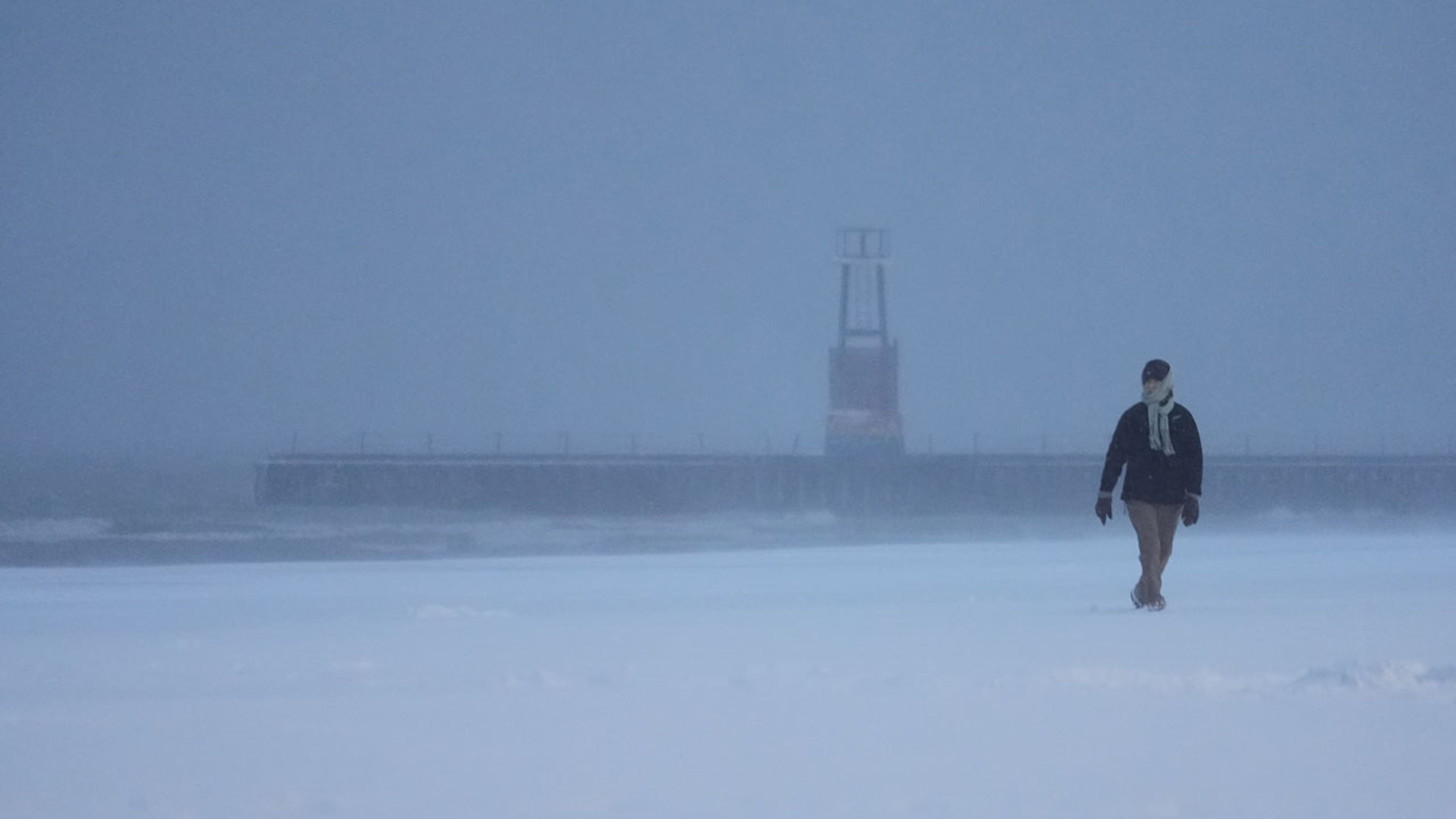
A nationwide storm turns Sunday into a travel standstill
A massive winter storm slammed broad swaths of the United States over the weekend and intensified on Sunday, January 25, 2026, triggering one of the most disruptive travel days in years. Flight-tracking data and airline alerts showed widespread cancellations and delays as snow, sleet and freezing rain moved along a corridor stretching from the southern Rockies through the Midwest and into the Northeast. Forecasters warned that conditions would vary sharply by region, but the common denominator was hazardous travel and limited recovery options at airports already short on spare aircraft and crews.
The storm’s footprint was enormous: nearly 180 million people were in the threatened zone as the system advanced east. The heaviest impacts for air travel centered on large connecting hubs and major metropolitan airports, where the cascading effect of cancellations can last for days. With deicing operations, runway closures, and air-traffic flow restrictions, airlines trimmed schedules aggressively to avoid stranding aircraft and crews in the wrong places.
Flight cancellations surge past 10,000 for the day
By Sunday, more than 10,000 U.S. flights were canceled in a single day, with total cancellations since Saturday surpassing 14,000. That scale reflects both the size of the storm and the concentration of impacts at high-volume airports. The disruption stretched across the country, hitting hubs including Dallas-Fort Worth, Charlotte, Philadelphia, Atlanta, and the New York area airports, and it spread into Washington, D.C., where cancellations approached a near-total shutdown for scheduled departures at one major airport.
Airlines encouraged passengers to avoid arriving at terminals without a confirmed plan and to use apps, websites, or phone support to rebook. Still, passengers faced limited seats as thousands of flights disappeared from schedules. For many, the only practical option was to push travel back by a day or more, particularly on routes into or out of the Northeast where snow totals were expected to be measured in feet rather than inches.
What travelers should know about refunds and next steps
One critical detail for consumers: if an airline cancels your flight and you decide not to take the trip, you are generally entitled to a refund for the ticket price—along with refunds for unused add-ons such as checked-bag fees or seat upgrades. Airlines may offer rebooking, credits, or alternate routings, but passengers should understand that accepting certain options can change the refund outcome. Travelers trying to salvage trips were advised to check partner-carrier options and alternative airports, while also preparing for knock-on delays as aircraft and crew networks reset.
Forecasts called for heavy snow from Washington through New York and Boston, with some areas expecting 1 to 2 feet. Elsewhere, the mix of ice and snow added risks for power outages and road closures, complicating ground transportation to and from airports. Even after precipitation eases, the cold air behind the system can slow recovery, keeping deicing needs high and reducing airport efficiency.
For now, airlines and airports are bracing for lingering impacts into the week, with travelers urged to monitor carrier alerts, verify hotel flexibility, and document receipts for any reimbursement claims tied to delays or cancellations.