Massive winter storm snarls U.S. travel as flight cancellations surge and dangerous conditions spread
A sprawling winter storm sweeping from the Rockies to New England is disrupting travel and daily life across the United States, driving tens of thousands of delays and a wave of flight cancellations. Forecasters warned that snow, sleet and freezing rain would create hazardous road conditions and complicate cleanup, while airports struggled with de-icing backlogs and cascading schedule problems.
- BYLINE
- Lagos Tribune News Desk
- PUBLISHED
- UPDATED
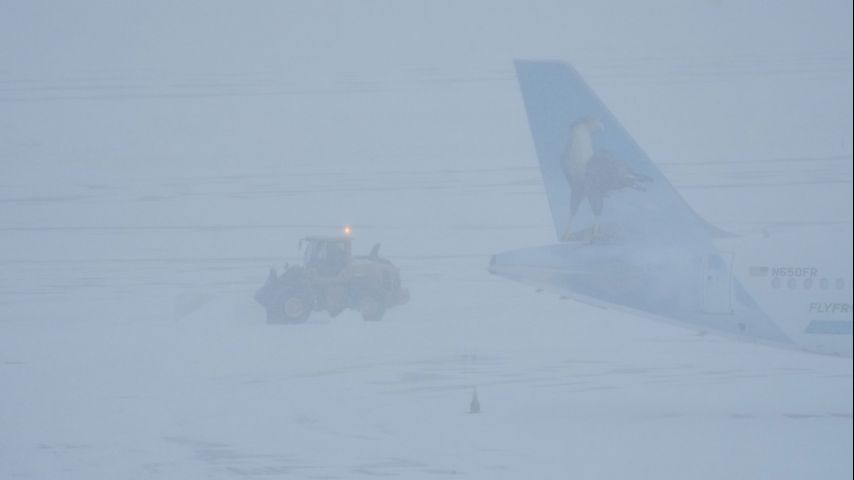
A wide storm footprint, a nationwide travel ripple
A powerful winter storm is pushing across a huge swath of the country and setting off one of the most disruptive travel weekends in years. Airports along major corridors have been hit by a chain reaction: de-icing delays, late-arriving crews and planes, and overcrowded hubs forcing airlines to cancel flights preemptively to keep networks from collapsing.
The impact isn’t limited to one region. As the system shifts east, weather hazards change by location—heavy snow in some metro areas, sleet and freezing rain in others—creating a patchwork of shutdowns that makes rerouting difficult. Even travelers far from the storm’s core can see their itineraries unravel if a key connecting airport is affected.
What travelers are seeing: cancellations, delays, and long de-icing lines
Airlines and airports have reported thousands of cancellations and delays, with disruptions cascading through the busiest travel corridors. When airports face freezing rain or rapid snowfall, runway and taxiway operations can slow dramatically, while aircraft de-icing queues add another bottleneck that turns a manageable schedule slip into a multi-hour delay.
For passengers, the practical reality is fewer available seats on later flights, longer customer-service lines, and tighter options for last-minute hotel rooms near major hubs. Families and business travelers alike often discover that the fastest way home is not a same-day rebooking but a multi-leg itinerary that bypasses the most affected airports.
Safety concerns extend beyond airports
Officials have also warned of dangerous road conditions as precipitation changes from snow to ice in certain regions. Freezing rain is particularly hazardous because it can create a nearly invisible glaze on highways, ramps and sidewalks. Municipal crews typically prioritize major arteries first, but secondary streets can remain difficult well after the heaviest precipitation ends.
The storm’s consequences can linger after skies clear. Airlines frequently need an extra day to reposition planes and crews, and local governments may require additional time to fully restore transit schedules and complete snow and ice removal. Travelers are often advised to check airline alerts frequently, consider flexible tickets when possible, and monitor local weather advisories closely.