White House tries to steady the message after Minneapolis protester is killed during immigration operation
After the shooting death of Minneapolis protester Alex Pretti during a federal immigration operation, the White House moved to distance President Donald Trump from inflammatory labels used by senior aides. The episode has triggered multiple investigations, renewed scrutiny of the administration’s tactics, and intensified legal and political fights over immigration enforcement.
- BYLINE
- Lagos Tribune News Desk
- PUBLISHED
- UPDATED
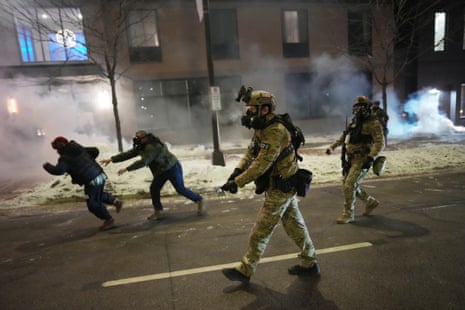
The White House on Monday sought to tamp down outrage after Alex Pretti, a Minneapolis protester, was shot and killed by a federal immigration officer over the weekend, an incident that has become a flashpoint in the Trump administration’s expanding deportation push. Press Secretary Karoline Leavitt said she had not heard President Donald Trump describe Pretti as an “assassin” or “domestic terrorist,” after senior officials used those terms in the immediate aftermath of the shooting.
Leavitt emphasized that the administration is focused on a full investigation, as bipartisan criticism grows and questions mount about the circumstances of the shooting, including whether body-camera footage will be released. The episode comes amid escalating tensions in Minnesota, where federal enforcement operations have drawn protests, property damage, and clashes between demonstrators and federal agents.
The case is unfolding alongside broader legal challenges to the enforcement surge and congressional scrutiny of nationwide immigration tactics. According to the AP’s account, multiple investigations into Pretti’s death are underway, and additional hearings are being planned as lawmakers press for transparency and oversight.
The administration’s response has also included new restrictions around enforcement activity. The Federal Aviation Administration issued a nationwide notice that creates a no-fly zone for drones near Department of Homeland Security assets involved in immigration enforcement operations, including vehicle convoys, with potential civil and criminal penalties for violators.
Together, the shooting, the messaging cleanup, and the operational tightening underscore how quickly street-level confrontations can ripple into federal policy debates—fueling courtroom fights, oversight disputes, and a political battle over how far the government can go in carrying out its crackdown.