Macron pushes for fast-track ban on social media for children under 15
France’s president urged a rapid rollout of a ban on social media for under-15s, arguing platforms exploit children’s vulnerabilities and that governments must set stronger boundaries for youth online.
- BYLINE
- Lagos Tribune News Desk
- PUBLISHED
- UPDATED
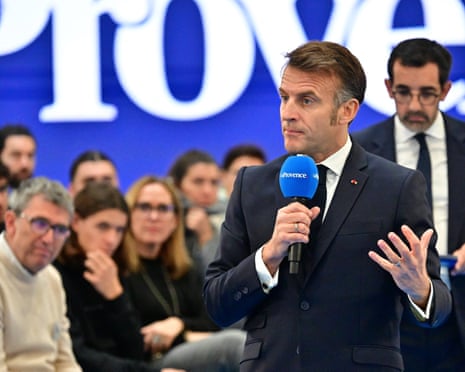
France moves toward stricter rules for kids online
French President Emmanuel Macron said he wants to fast-track legislation that would ban children under 15 from using social media, with the goal of having the law in effect by September, when the new school year begins. Macron argued that young people’s mental health and development should not be shaped by platform design choices and the incentives of major technology companies.
The plan, described by AP, is backed by proposed legislation sponsored by lawmaker Laure Miller and set for Senate examination. Macron’s push reflects a wider debate across democracies over how to regulate digital environments that are now central to adolescent social life, school coordination, and entertainment.
Why age-based restrictions are gaining momentum
Governments have been increasingly concerned about links between heavy social media use and problems such as low self-esteem, exposure to harmful content, and manipulation through engagement-driven algorithms. France’s proposal sits alongside other international efforts—some focused on stricter verification, others on platform liability and design limits—to reduce risks for minors.
Supporters of age thresholds say they provide a clear rule that schools and parents can use as a baseline, rather than a constant negotiation with children. Critics, however, often argue that bans can be difficult to enforce, may encourage workarounds, and risk cutting off online communities that vulnerable teens rely on for support.
Phones in schools and the practical enforcement question
Macron also raised the idea of banning mobile phones in high schools, aiming to create clearer boundaries between classroom life and the social internet. That approach relies on physical enforcement at school gates, while the social media ban would hinge on platforms’ capacity to verify age, detect circumvention, and comply with national rules.
If enacted, the policy would test a key unresolved technology challenge: how to verify age reliably without creating intrusive digital identity systems. The outcome in France could influence other countries weighing similar measures, especially if lawmakers can demonstrate an enforcement model that reduces harm while preserving privacy and access to beneficial online resources.