Risk of wider conflict rises as Trump warns time is running out for an Iran deal
Tensions between the United States and Iran sharpened as President Donald Trump issued a new warning that the window for an agreement is closing, fueling concern among diplomats and security analysts about miscalculation and escalation.
- BYLINE
- Lagos Tribune News Desk
- PUBLISHED
- UPDATED
Why the rhetoric is escalating
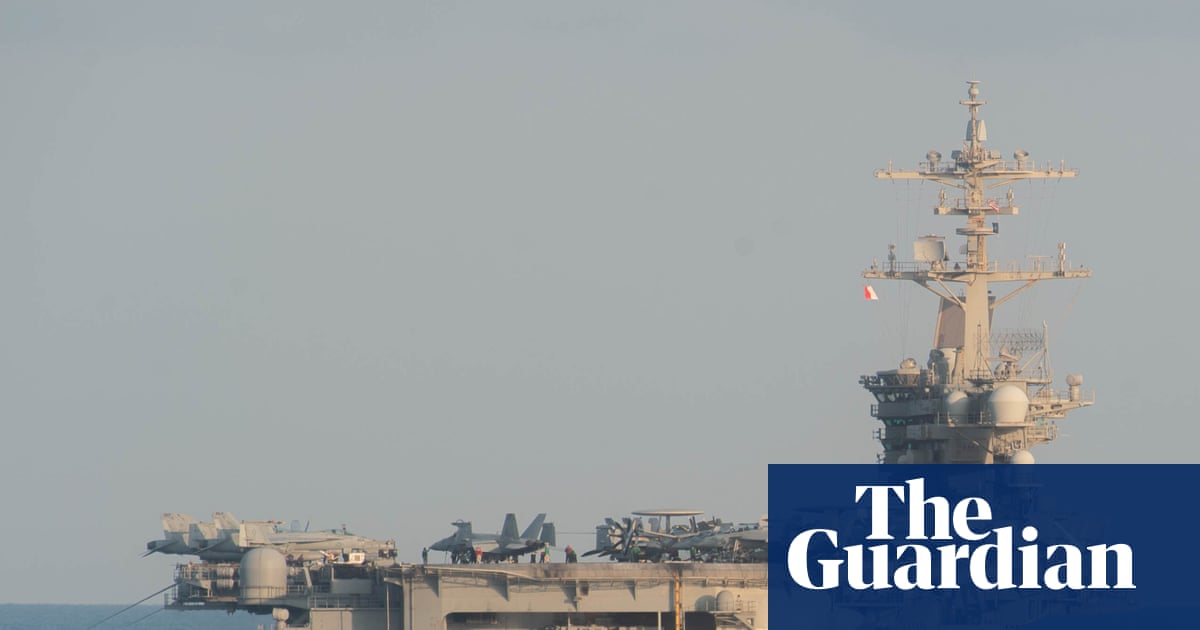
International attention turned to U.S.-Iran tensions after President Donald Trump warned that time is running out to reach a deal with Iran. Analysts say heightened rhetoric can raise the risk of misunderstanding, especially if military assets are positioned in ways that shorten decision timelines and increase the chance of an unintended clash.
The latest warnings arrive in a period when regional security issues are tightly linked: maritime routes, allied deterrence posture, and domestic political pressures can all reinforce harder lines. Diplomats and experts often caution that public ultimatums can limit room for compromise, even when channels for negotiation remain open behind the scenes.
What’s at stake for the region
Any sharp deterioration in U.S.-Iran relations can reverberate far beyond bilateral talks. It can affect global energy markets, shipping risks, and the calculations of regional actors who may respond defensively or opportunistically. Even limited confrontation can trigger broader cycles of retaliation, especially if it intersects with proxy conflicts and disputed red lines.
Observers point to the difficulty of controlling escalation once a crisis begins. If messaging is perceived as threatening regime stability or national sovereignty, leaders may feel compelled to respond publicly, reducing the utility of quiet diplomacy and raising the likelihood of tit-for-tat moves.
Diplomatic paths still possible
Despite rising tensions, diplomatic engagement can continue through intermediaries, multilateral forums, or discreet bilateral contacts. In past crises, confidence-building steps—such as limited prisoner exchanges, deconfliction mechanisms, or incremental agreements—have at times lowered immediate pressure while larger disputes remained unresolved.
For now, attention is focused on whether future statements and actions signal a shift toward negotiation or a tighter squeeze that could lead to confrontation. Analysts say the next few days and weeks will be critical for gauging whether the warning marks a peak in rhetoric or the start of a sharper, more dangerous phase.