Northern Pakistan earthquake kills at least one and damages homes, triggering landslides
A strong earthquake struck northern Pakistan, killing at least one person, damaging homes, and causing landslides that blocked roads as authorities assessed damage and launched rescue efforts.
- BYLINE
- Lagos Tribune News Desk
- PUBLISHED
- UPDATED
Earthquake hits seismically active region
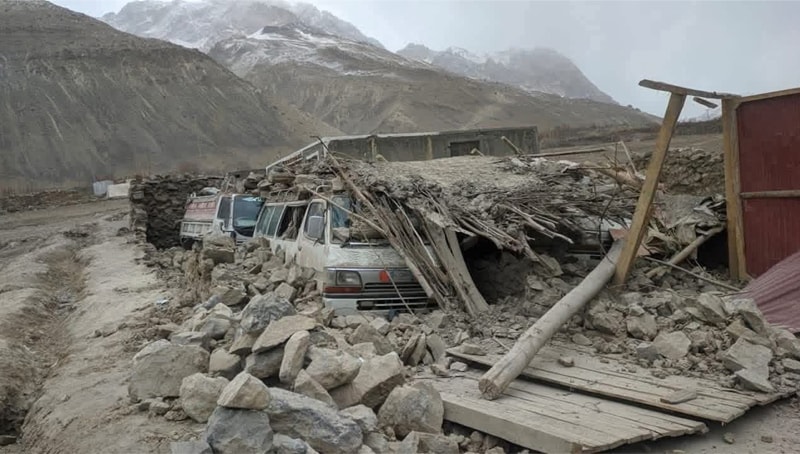
A magnitude 5.8 earthquake struck northern Pakistan on January 19, 2026, killing at least one person and damaging dozens of mud-brick homes, according to local officials cited by the Associated Press. The quake was felt across several districts in the northwest, underscoring the vulnerability of mountainous communities where older structures and difficult terrain can magnify disaster impacts.
The Pakistan Meteorological Department identified the epicenter as being in Pakistan-administered Kashmir. In the Hunza Valley, the quake triggered landslides that blocked roads and complicated access for responders. Authorities in the Gilgit-Baltistan region said rescue efforts were underway and assessments were still in progress as reports continued to emerge from affected areas.
Damage concentrated in rural housing
Initial reporting described significant damage to mud-brick homes, which are common in rural areas and can perform poorly during strong shaking. Landslides also caused secondary disruption, including road closures and temporary isolation of some communities, a frequent problem in Pakistan’s mountainous north where a single blocked route can cut off villages.
Even when casualty numbers remain limited, earthquakes in the region often result in large numbers of damaged or unsafe dwellings. That creates immediate humanitarian needs: temporary shelter, restoration of road access, and rapid engineering assessments to prevent injuries from aftershocks or weakened structures.
Why this keeps happening
Pakistan sits along active tectonic boundaries and experiences frequent earthquakes. The event revived memories of the catastrophic 2005 quake that killed tens of thousands across Pakistan and Kashmir, and it highlights the continuing challenge of making housing and infrastructure resilient in remote terrain.
What authorities typically do next
- Clear blocked roads and restore access for ambulances and supply vehicles.
- Conduct rapid damage and casualty assessments, then update figures as isolated communities are reached.
- Inspect homes, schools, and bridges for structural safety, prioritizing buildings that shelter large numbers of people.
- Prepare for aftershocks, which can worsen damage and trigger additional landslides.
As of this reporting, officials were still evaluating the full scope of damage. The coming days will likely determine how many families require longer-term shelter support and whether key transport routes in the region can remain stable amid continued aftershock risk.