Russia hits Kyiv and Kharkiv during Abu Dhabi talks, raising doubts about near-term peace
A major drone-and-missile strike on Ukraine’s largest cities wounded civilians and damaged energy infrastructure as U.S.-linked negotiations continued, highlighting the gap between diplomacy and battlefield reality.
- BYLINE
- Lagos Tribune News Desk
- PUBLISHED
- UPDATED
Strikes as negotiators keep talking
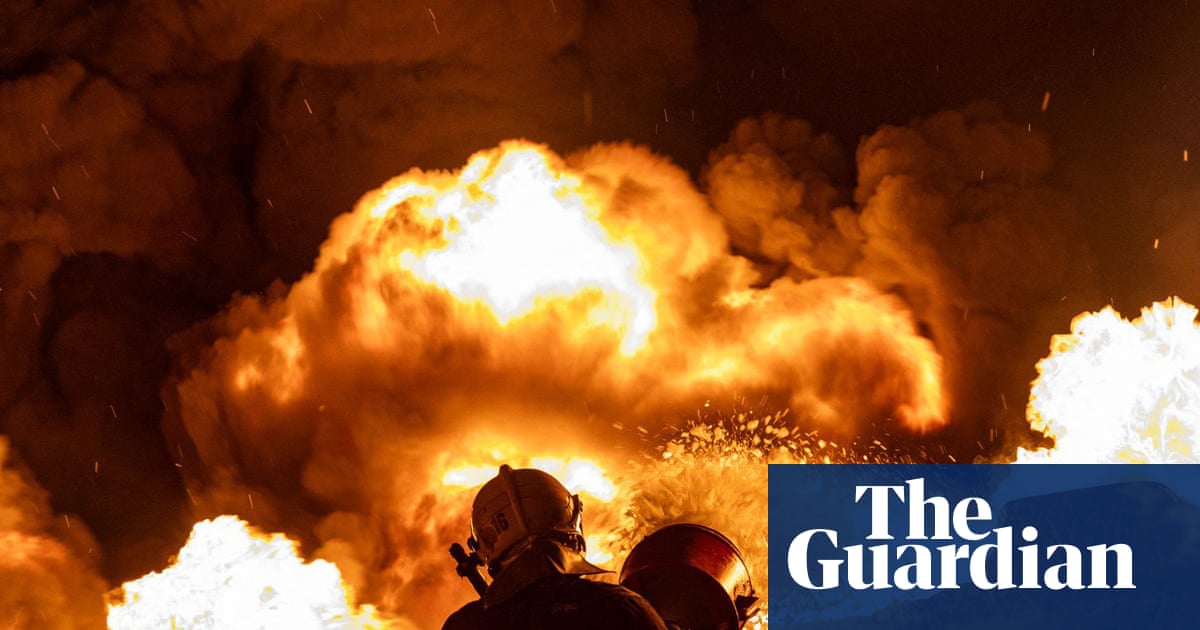
Russia launched a large-scale wave of drone and missile attacks on Kyiv and Kharkiv as negotiations involving U.S., Ukrainian, and Russian interlocutors continued in Abu Dhabi. The timing sharpened Kyiv’s argument that Moscow is using violence to improve leverage and to demonstrate that it can escalate even while talks proceed.
Reports described casualties and widespread disruption, including damage to buildings and services and the loss of power for large numbers of residents as temperatures plunged. Ukrainian officials publicly condemned the attack as an attempt to derail diplomacy, while negotiators pressed on, saying discussions remained active even as the humanitarian consequences mounted.
Energy infrastructure remains a core target
The strikes underscored a recurring pattern of winter pressure on Ukraine’s power system. Hitting generation, transmission, or repair capacity not only harms civilians immediately but can also complicate Ukraine’s ability to sustain military logistics and industrial output. For European partners, it renews fears of additional refugee flows and deeper economic strain if urban services cannot be kept stable through cold-weather months.
Kharkiv, close to the Russian border, has faced repeated waves of attacks. Accounts in the reporting described impacts on civilian sites, adding to international scrutiny and demands for clearer protections for noncombatants. Ukrainian leaders continue to argue that any peace framework must include enforceable security guarantees, not just a pause in fighting.
Diplomacy’s hard problem: the gap in war aims
Even with negotiations underway, the underlying dispute over territory and sovereignty remains unresolved. Analysts note that Russia’s public stance has remained maximalist, while Ukraine insists it cannot accept terms that would formalize large territorial losses or leave it vulnerable to future invasion. The continuation of heavy strikes during talks reinforces skepticism that the parties are close to a workable deal.
- Whether subsequent rounds of talks set dates, agendas, and confidence-building measures with clear enforcement mechanisms.
- If international pressure increases for humanitarian corridors or infrastructure protections during negotiations.
- Whether renewed attacks trigger additional military aid packages or sanctions discussions among Ukraine’s partners.
For now, the juxtaposition of negotiations and heavy bombardment points to a familiar reality: diplomacy can be active without producing de-escalation, especially when the battlefield is used to signal resolve.